A practical PCI checklist for a new Wollert home
What to walk through at your practical completion inspection in Wollert, room by room, and which items a builder must fix before you take the keys.




In short: The PCI is your last look before the money moves. This is what to check room by room, and what belongs on the list rather than in a later warranty claim.
What the PCI is for, and what it is not
Practical completion inspection is the walkthrough where you confirm the house is finished in accordance with the contract, the plans and the standards, before final payment and handover. It is not a warranty inspection and not the place to negotiate variations. The Guide to Standards and Tolerances 2015 is the reference Victorian builders work to.
Start outside before you go in
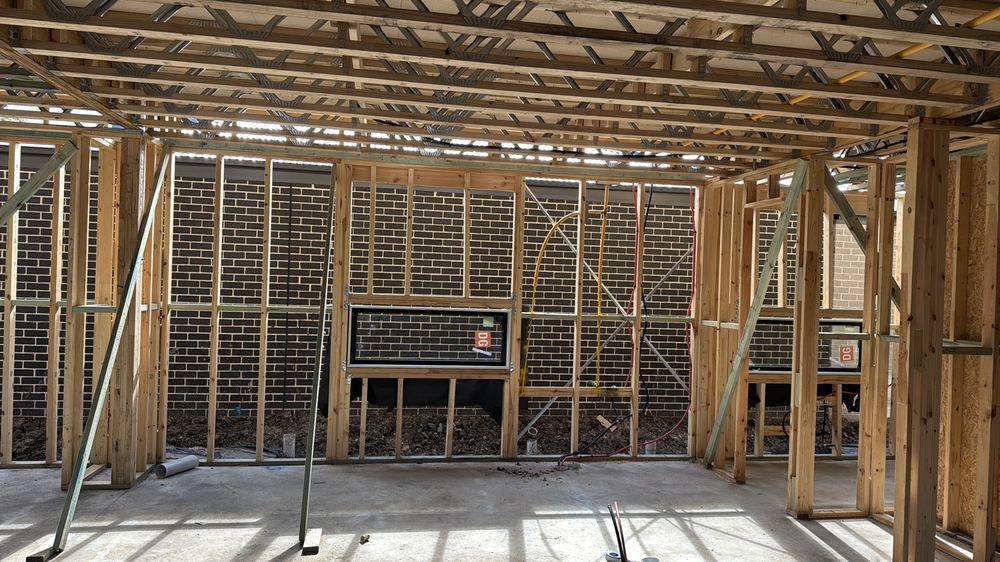
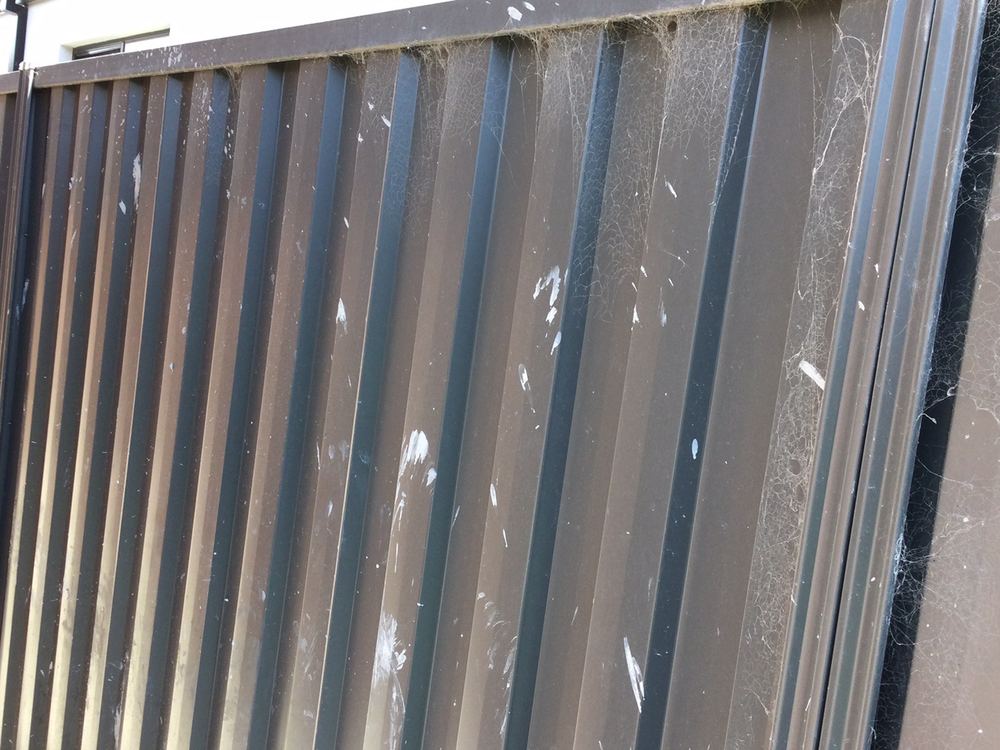
Walk the perimeter first. Look at brickwork joints and mortar finish, weep holes left clear, articulation joints, render cracking, roof tiles or sheets and ridge capping from ground level, gutters and downpipe connections, the meter box, driveway and crossover finish, and whether surface falls run water away from the slab rather than toward it.
Wet areas deserve the most time
Bathrooms, ensuite and laundry produce most costly handover items. Check falls to floor wastes, shower screen fit, silicone joints, tile lippage and cuts, grout finish, hobs and thresholds, and whether the floor drains rather than ponds. Waterproofing itself was covered by a membrane inspection earlier, because AS 3740 work is behind the tiles and cannot be assessed at PCI.
Walls, ceilings, doors and joinery
Look along walls with the light raking across them rather than straight on, which is how plaster defects show. Check cornice lines, ceiling sag, door clearances and latching, architrave mitres, skirting gaps, cabinetry alignment, drawer runs, benchtop joins and paint coverage on edges and behind doors.
What is outside the scope of an inspection
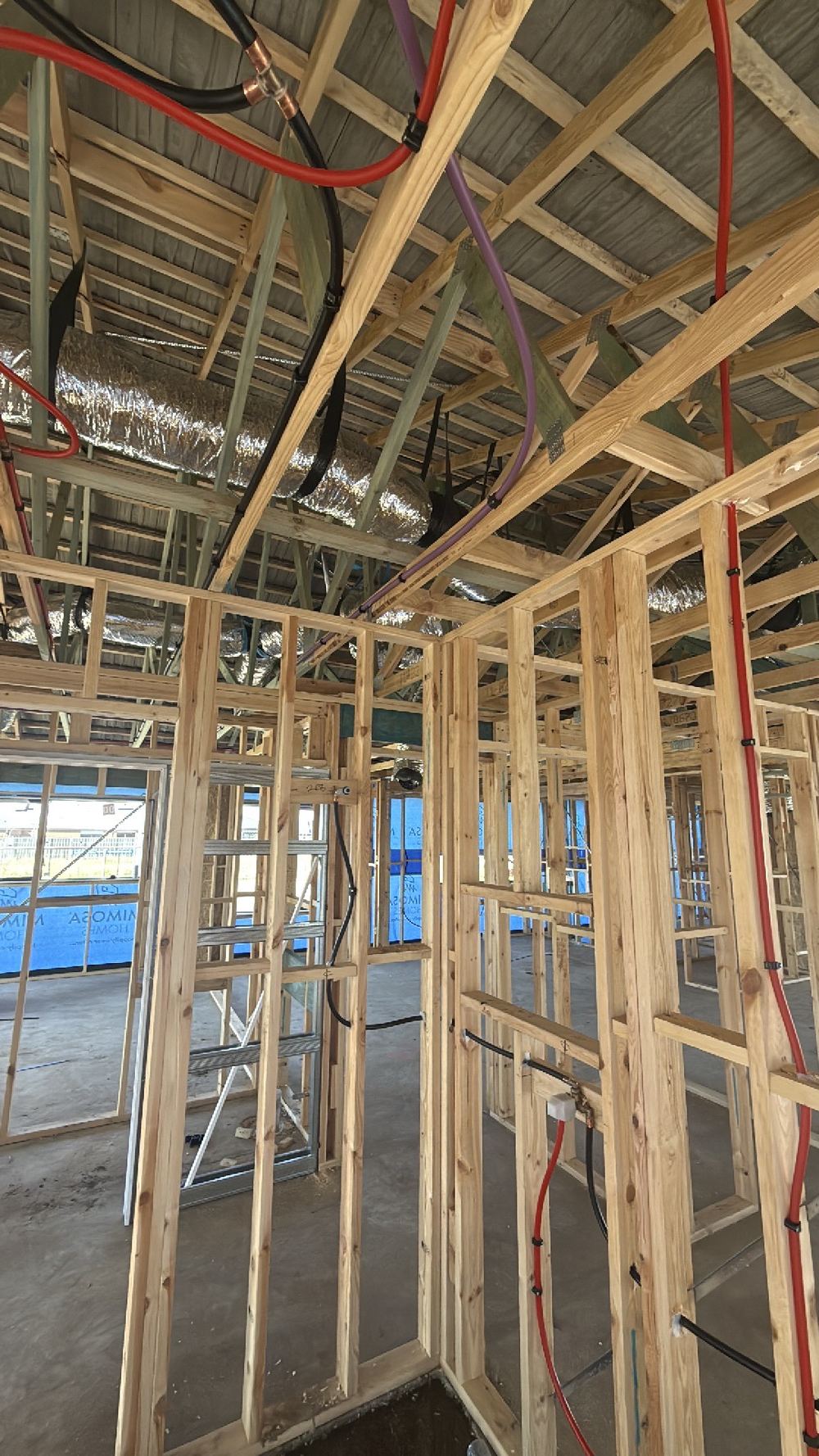
An inspection is visual and carried out by hand. We do not energise, test or operate electrical, gas or appliance installations. Those are exclusions, and a licensed electrician, plumber or gasfitter is the right person to inspect and certify them. What an inspector can record is the presence of the compliance certificates the builder should be handing you at completion.
Documents to collect at handover
Ask for the occupancy permit, the certificate of insurance for Domestic Building Insurance where the contract required it, compliance certificates for electrical and plumbing work, the termite management notice, warranties for appliances and finishes, and the maintenance information. These documents are far harder to obtain six months after you have paid the final claim.
How to hand the list back to the builder
Send the report as a single written list with photographs and locations, ask for a date by which each item will be attended to, and arrange a re-inspection rather than accepting a text saying it is all done. Keep every version of the list. If the builder disputes an item, the tolerance guide and the contract inclusions are usually what resolves it.
Written by the Owner Inspections team from inspections carried out in Wollert. Licensed building practitioners, Building & Plumbing Commission registration CDB-U 53425.