



When to book each stage inspection on a Wollert build
How to time the pre-slab, frame, lock-up, waterproofing and fixing inspections on a new Wollert home so faults are found while work is open.
A waterproofing inspection looks at the wet area membranes before the tiler covers them. Showers, bathrooms, laundries and any balcony are all checked while the membrane is still open to view.
Wet area leaks are the most expensive defect an owner in a new estate deals with, because rectification means removing tiling and screed in a finished house. Slab movement on reactive clay puts extra work into the junctions, so angle fillets, corners and hob details have to be right the first time.
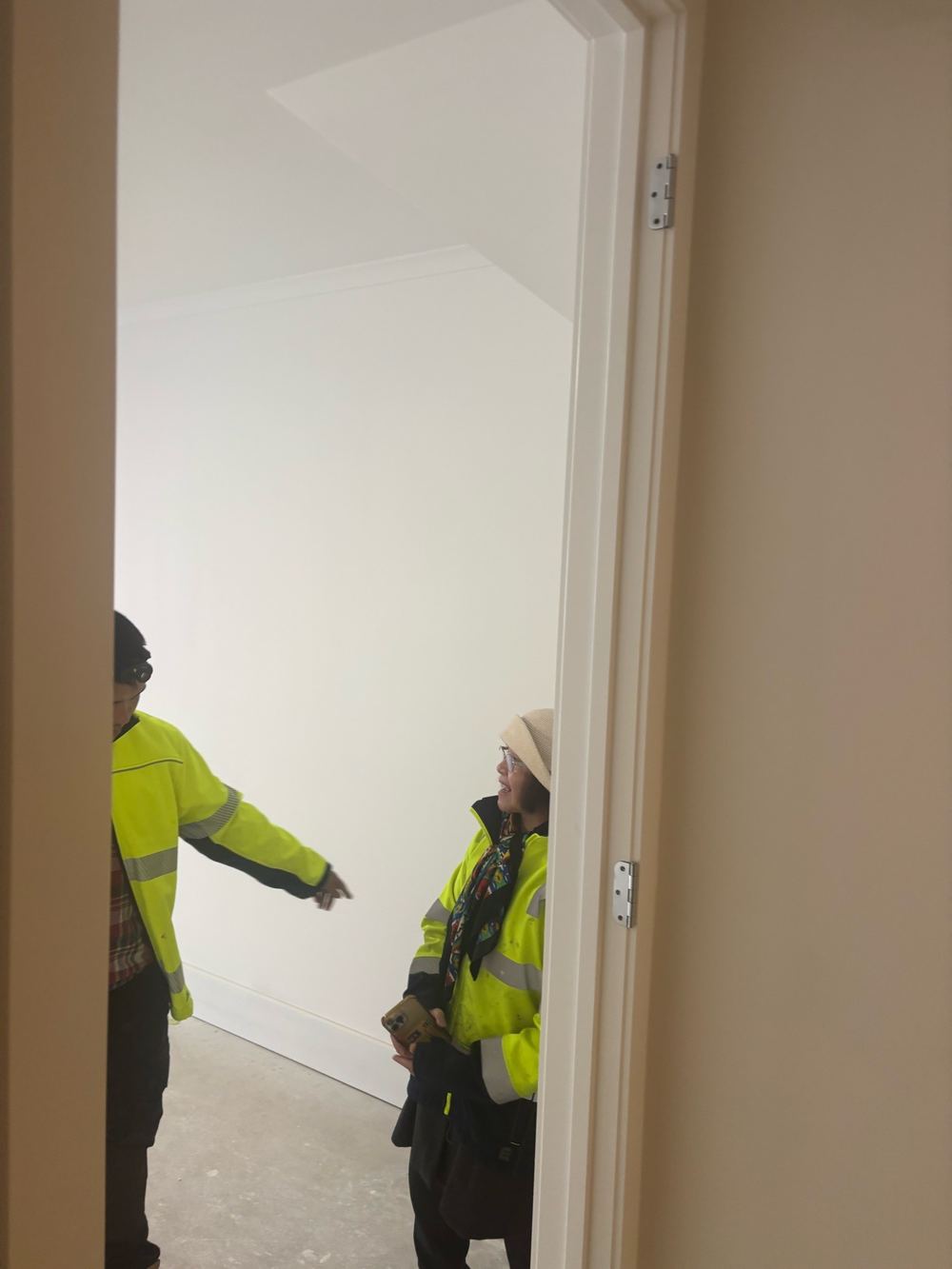
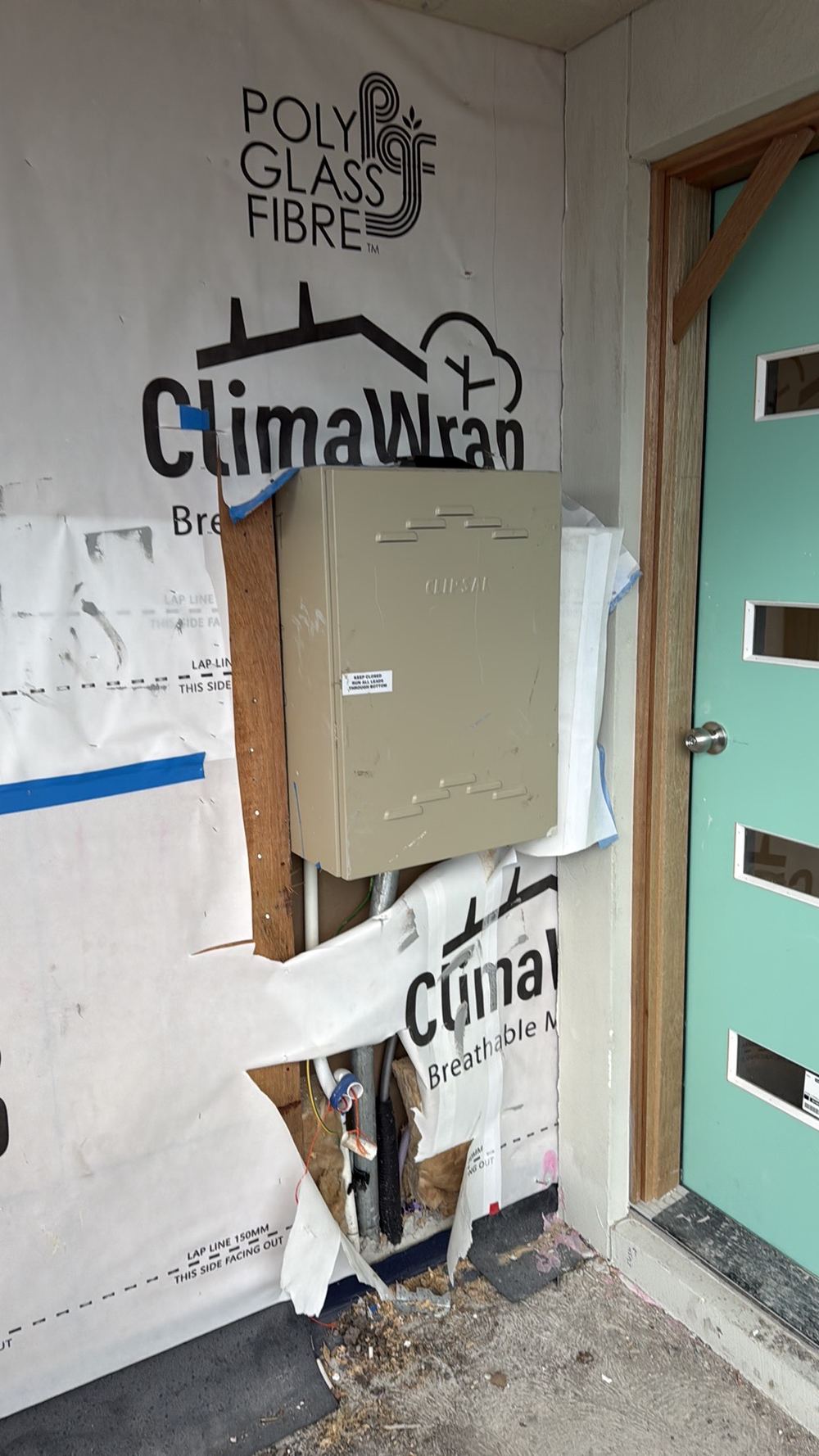
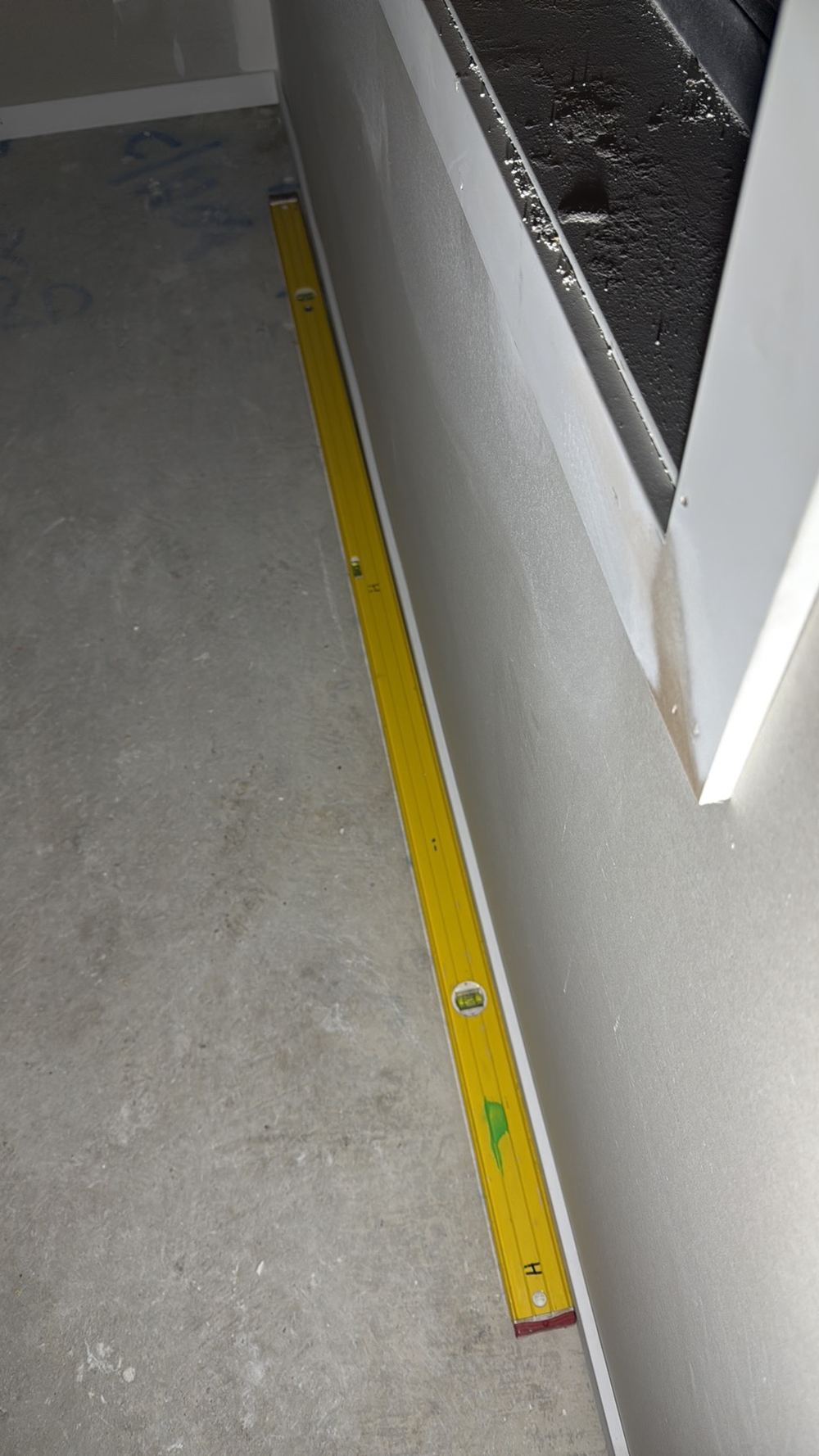
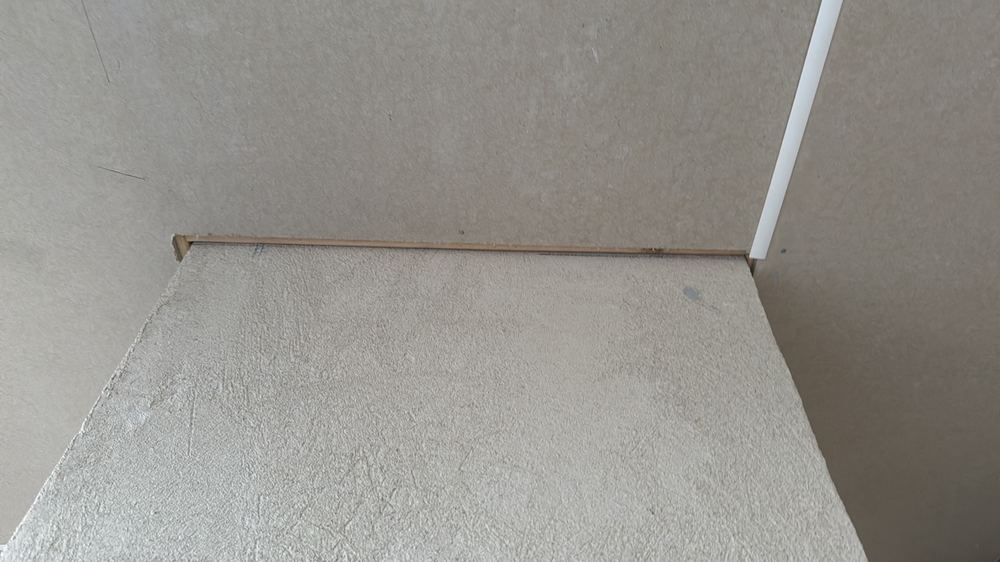
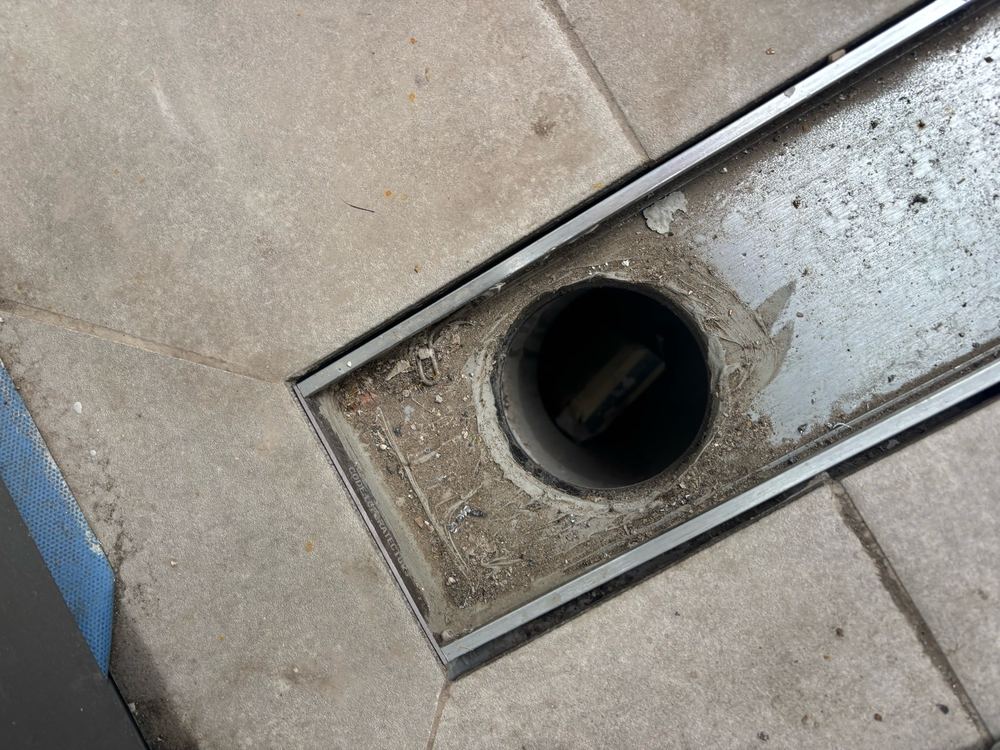
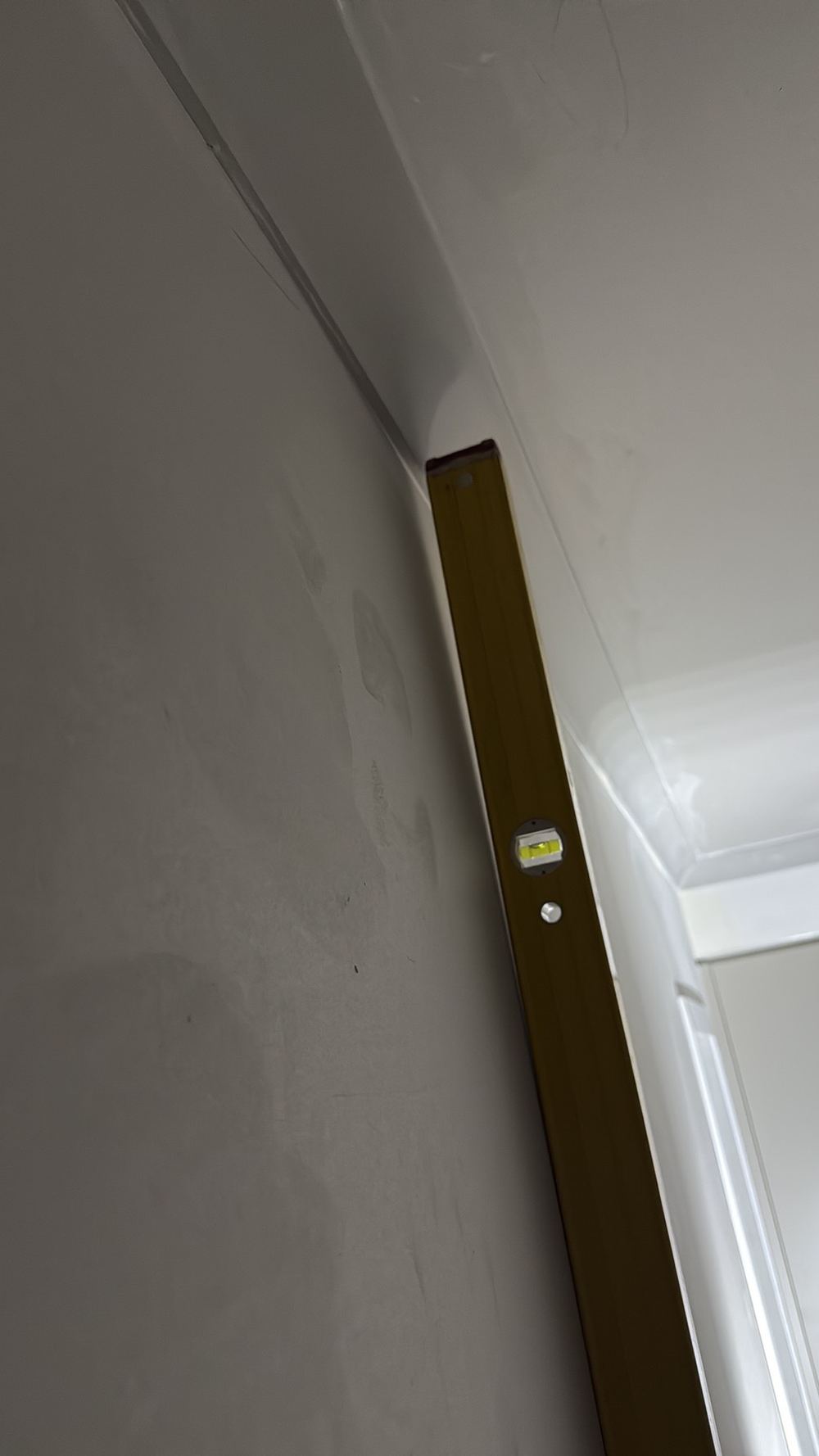
Annotated findings from Waterproofing inspections on Wollert builds. Client addresses withheld.
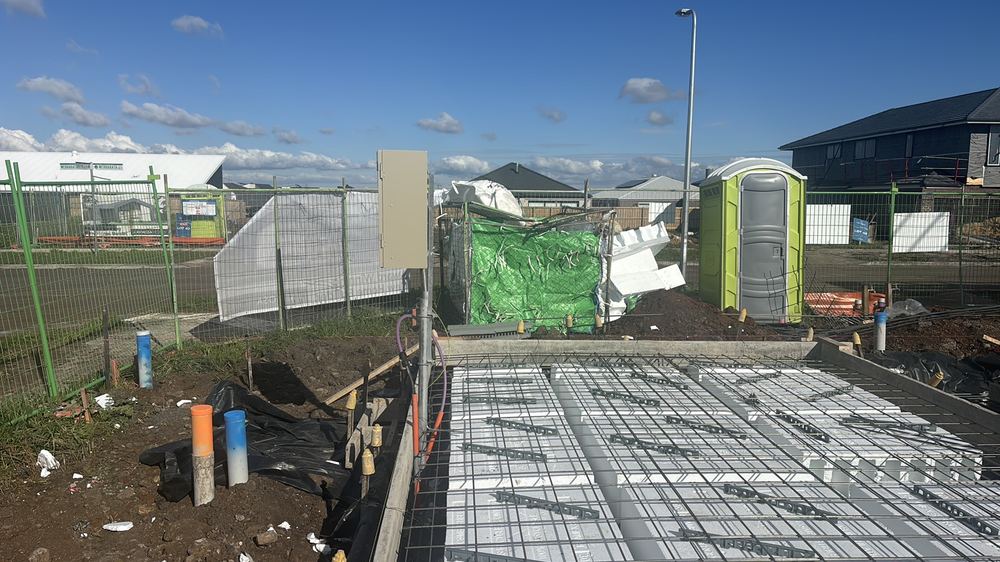 1Bored piersOnce the holes are bored and the cages are in, before any concrete goes near them
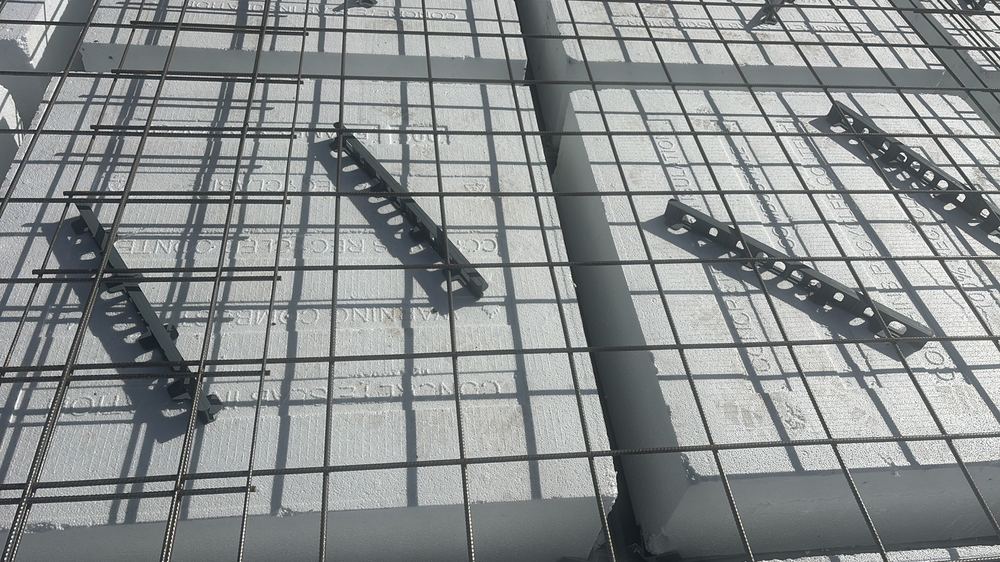 2Slab pre-pourThe day before the pour, while the steel and pods are still exposed
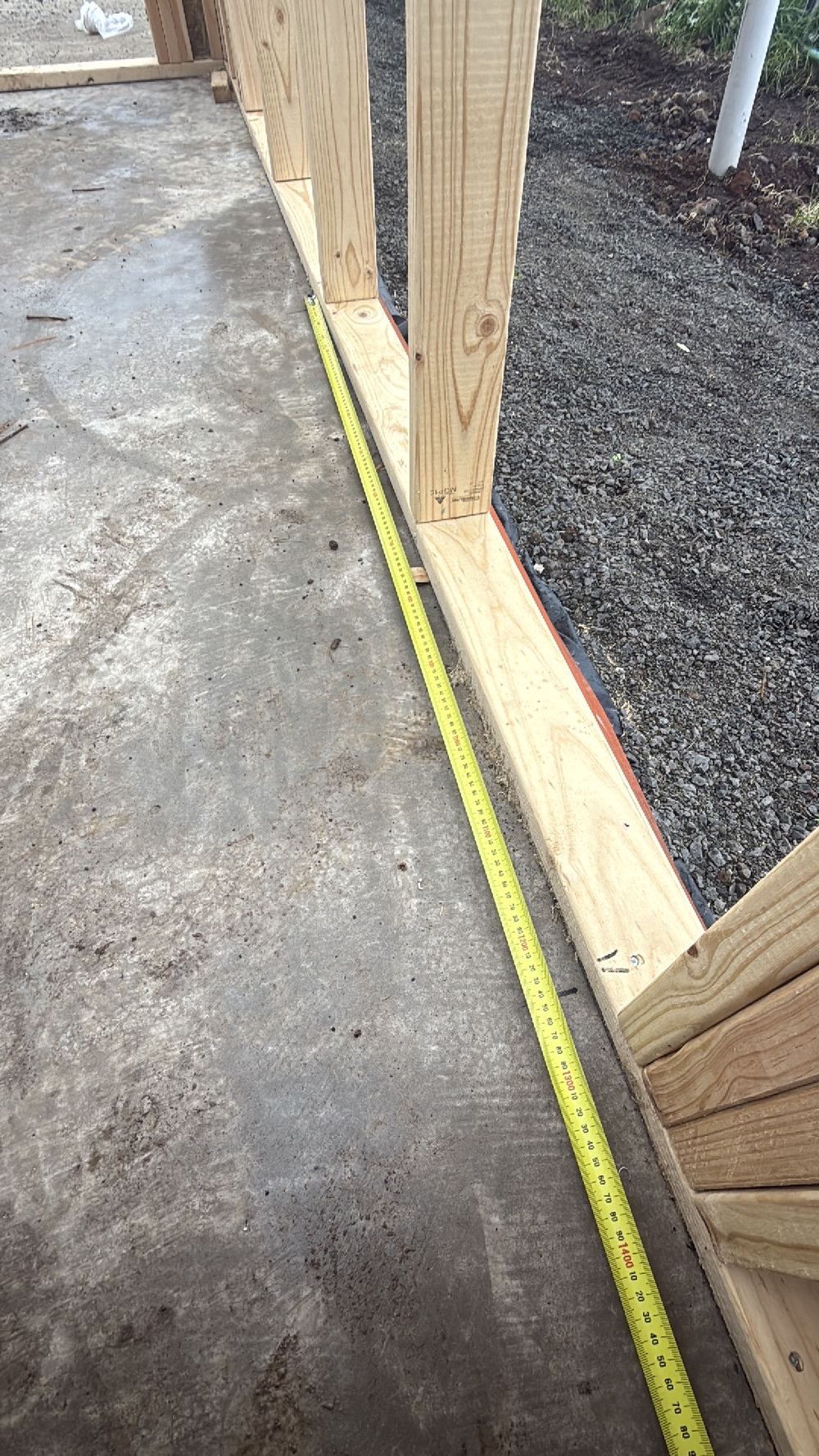 3FrameOnce the trusses are up, before wrap, sarking or cladding hides anything
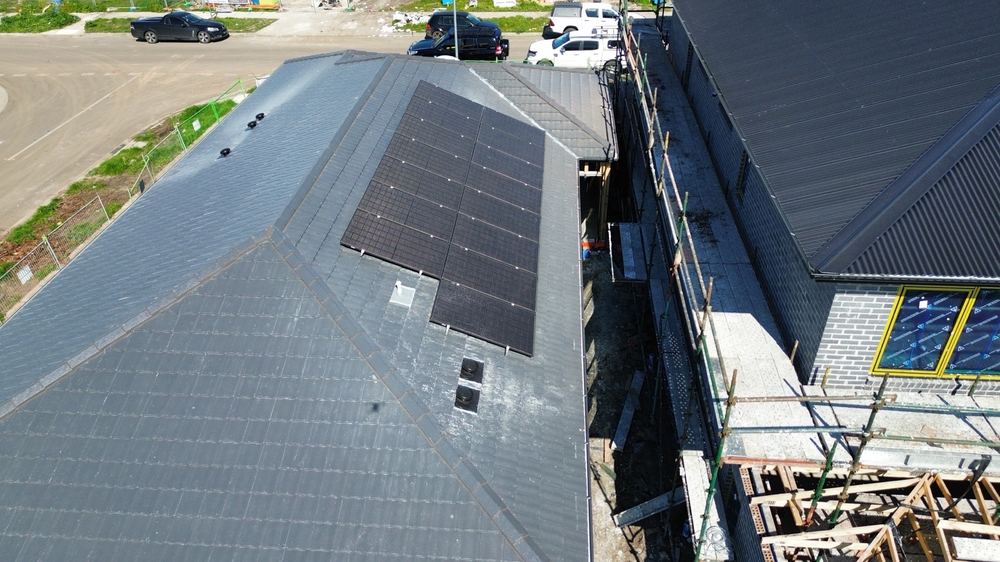 4Lock-up (pre-plaster)After roof, windows and brickwork, before the plasterer arrives
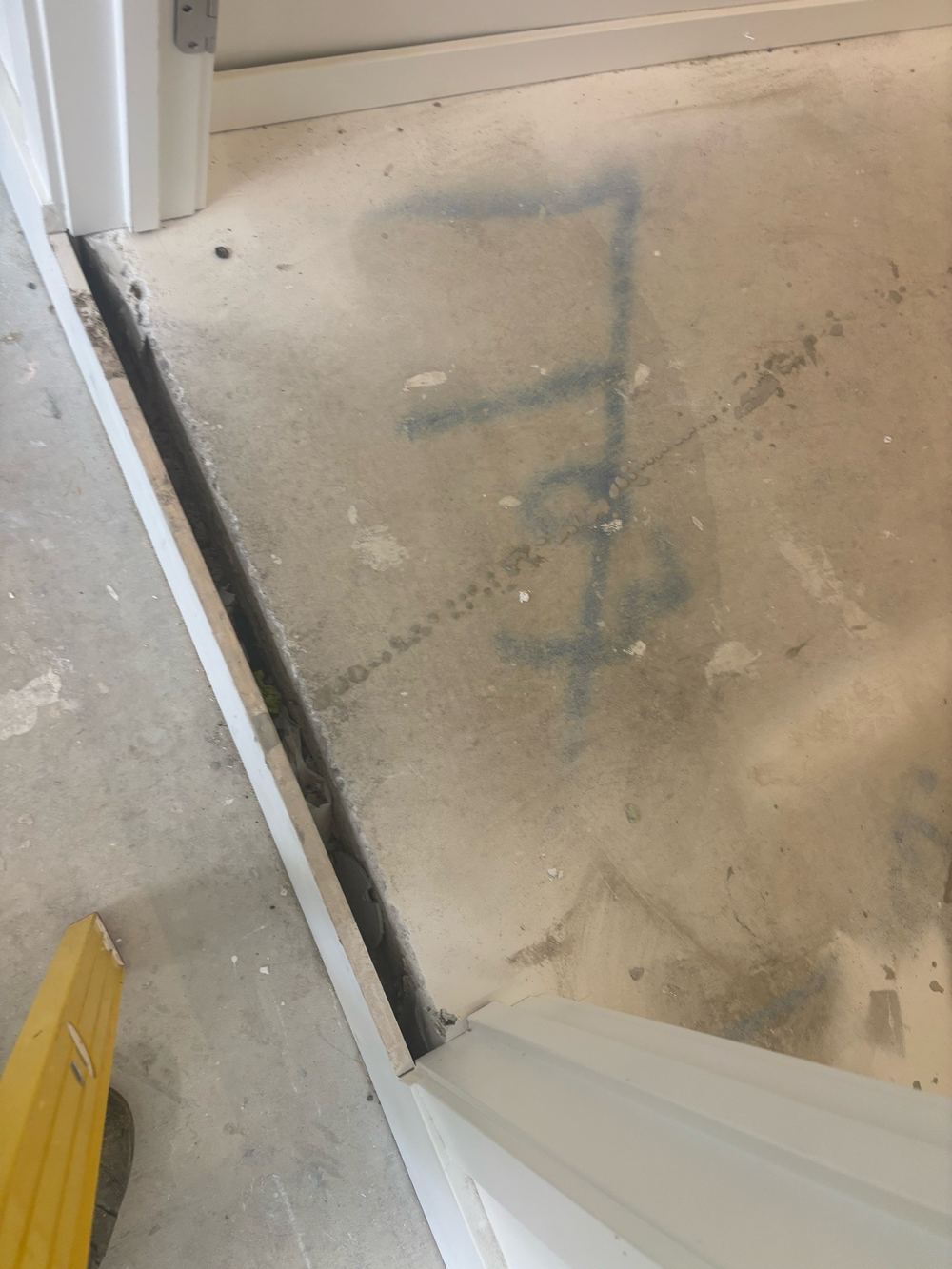 5FixingAfter plaster, doors and cabinetry, before the painter starts
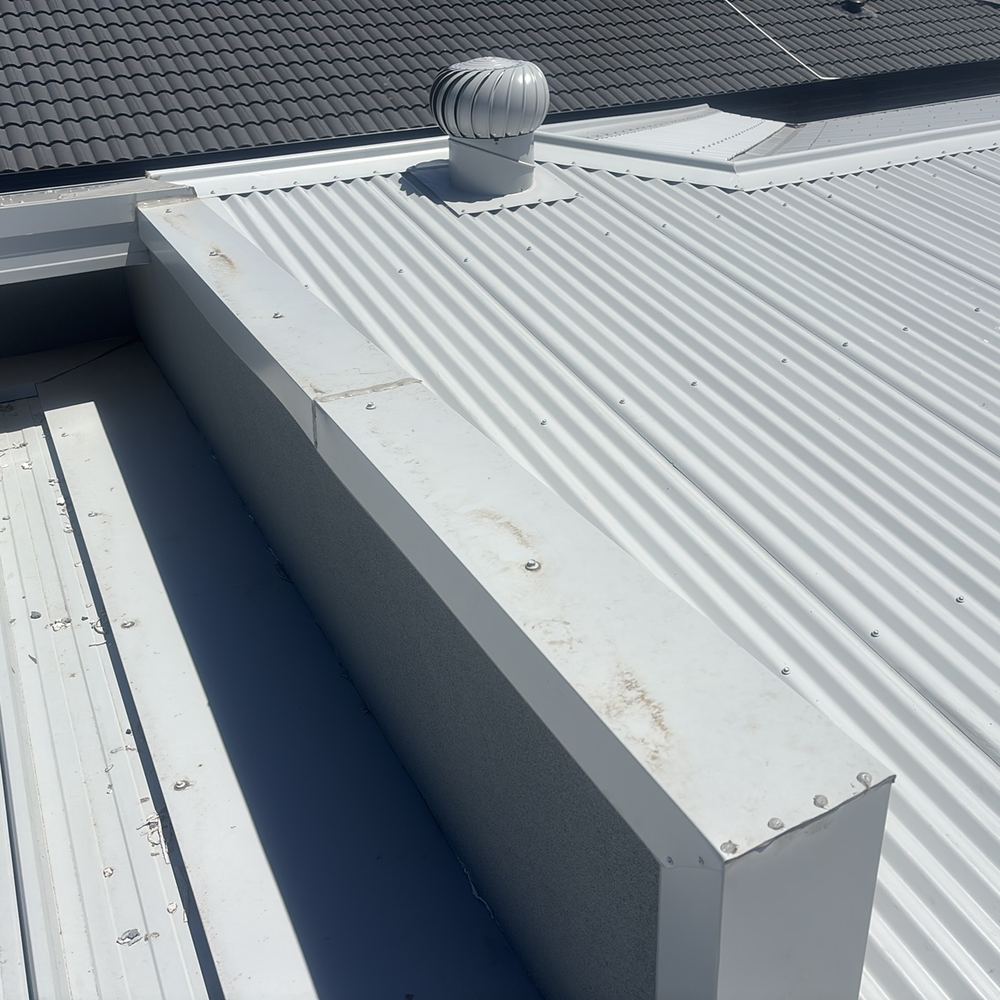 7Pre-handover (PCI)At practical completion, before you sign anything or hand over the final payment
How to time the pre-slab, frame, lock-up, waterproofing and fixing inspections on a new Wollert home so faults are found while work is open.
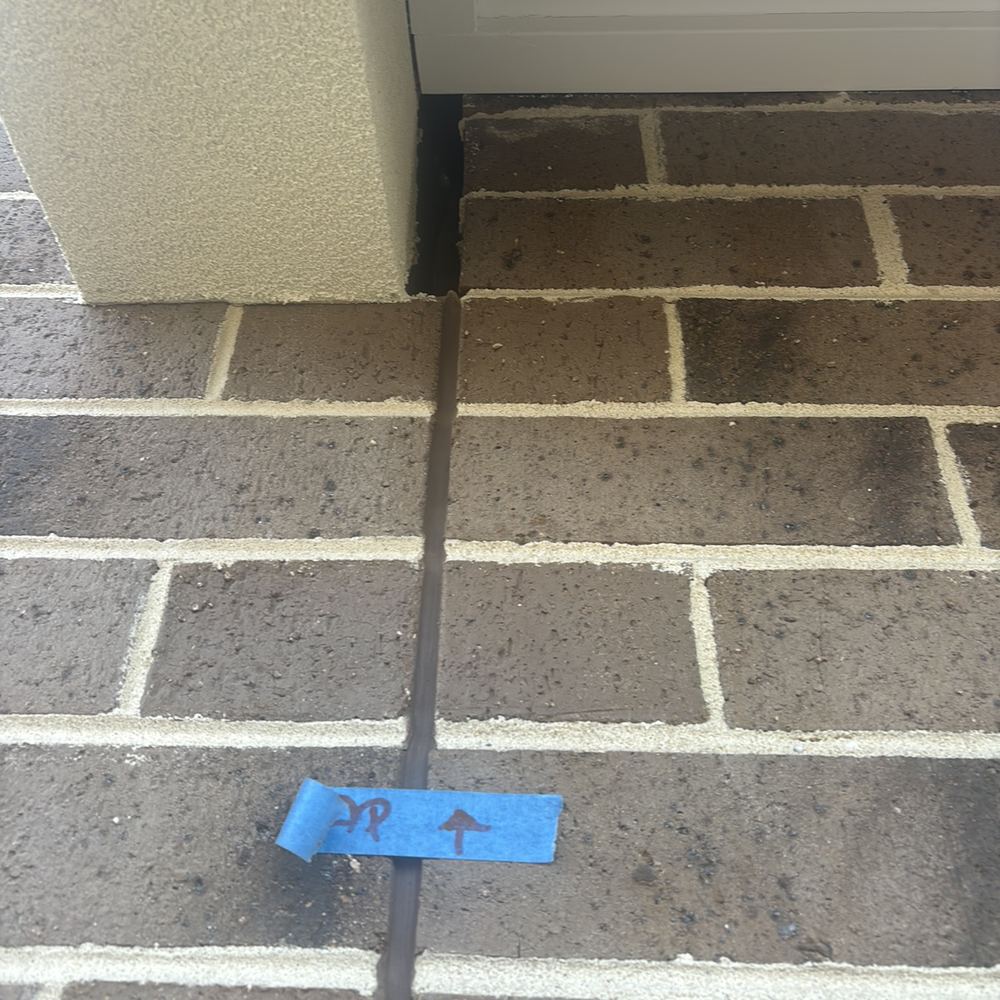
Wollert sits on Newer Volcanics basalt with heavy reactive clay above it. What that means for slab design and your pre-slab check.
What to do in Victoria when a builder blocks your private stage inspector, including contract access, written notice and the BPC dispute pathway.
Instant online pricing, or talk to the booking team on 1300 471 805.
AS 3740 covers waterproofing of domestic wet areas, called up by the NCC and the ABCB Housing Provisions. It sets where membranes are required, how high they go and how junctions and penetrations are treated.
Not properly. Once tiles and screed are down the membrane cannot be seen at all, and a fault is generally only found when water appears elsewhere in the house. This stage has a very short window.
No. We inspect visually and by hand, checking coverage, heights, fillets, primer and falls. Flood testing is carried out by the waterproofer or the builder, and we can report on the result they record.
In Victoria the waterproofer should supply documentation of the products used and the work done. Keep it with your build file. A certificate records what was claimed, not that the work matches AS 3740.
Yes, wherever a membrane has been applied and is accessible on the day. External balconies, laundries and powder rooms are all treated as wet areas and are checked the same way as bathrooms.
Put it to your builder in writing first. If it is not resolved you can use the Building and Plumbing Commission's dispute resolution service, formerly DBDRV, and then VCAT's Building and Property List.