



When to book each stage inspection on a Wollert build
How to time the pre-slab, frame, lock-up, waterproofing and fixing inspections on a new Wollert home so faults are found while work is open.
At lock-up the roof is on, the windows and doors are in and the external walls are closed up. It is the last chance to see how the outside of the house was built.
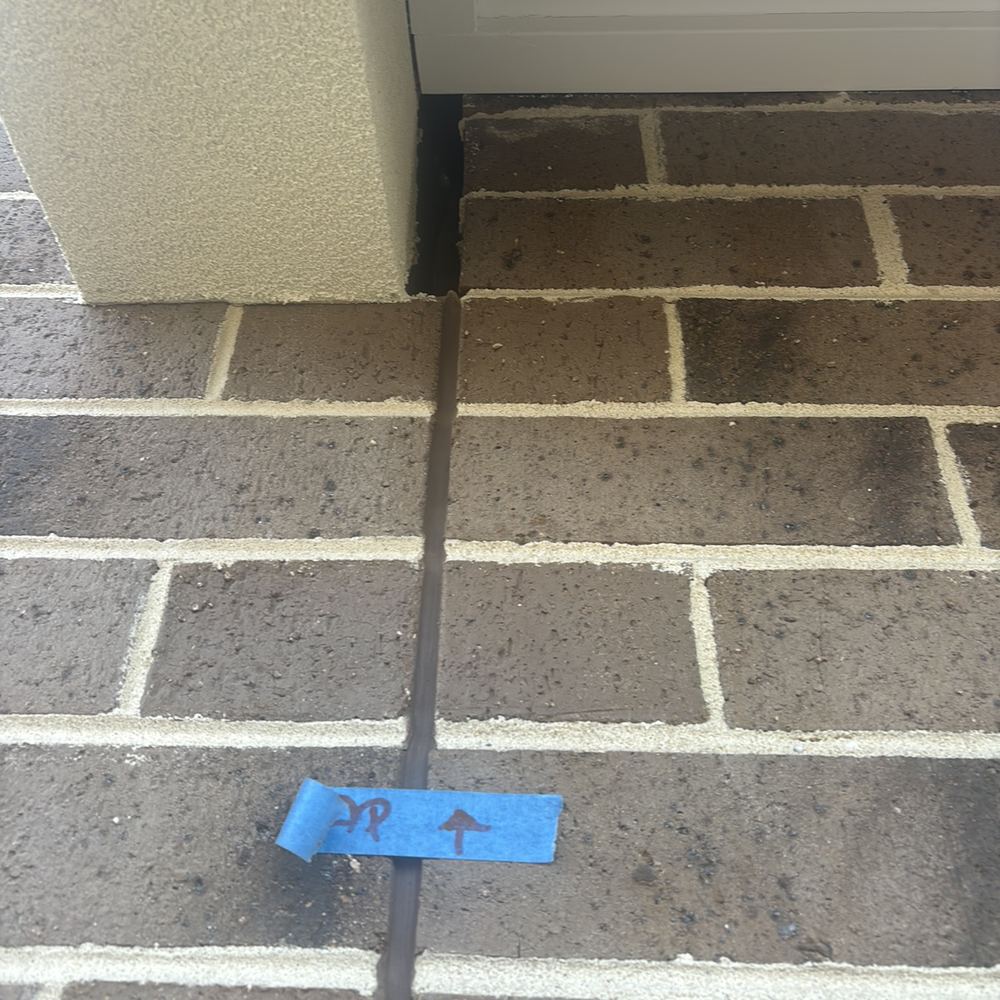
Wollert is home to a Brickworks Limited plant described as Australia's largest brickmaker, so the corridor is full of brick veneer. Good bricks need correct articulation joints, clear weep holes and proper flashings, especially on reactive clay that lifts and drops with the seasons. Poor detailing shows up as stepped cracking.
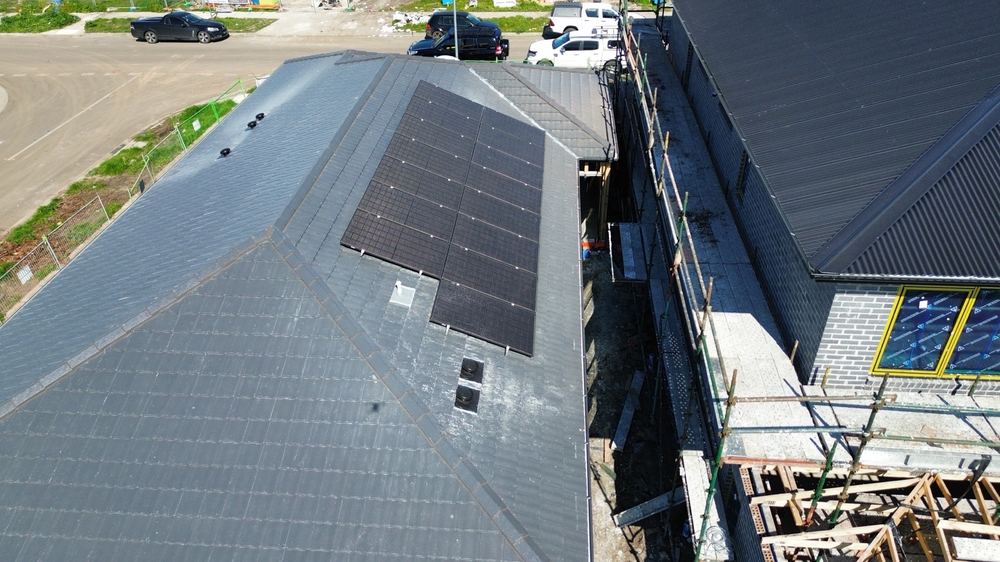
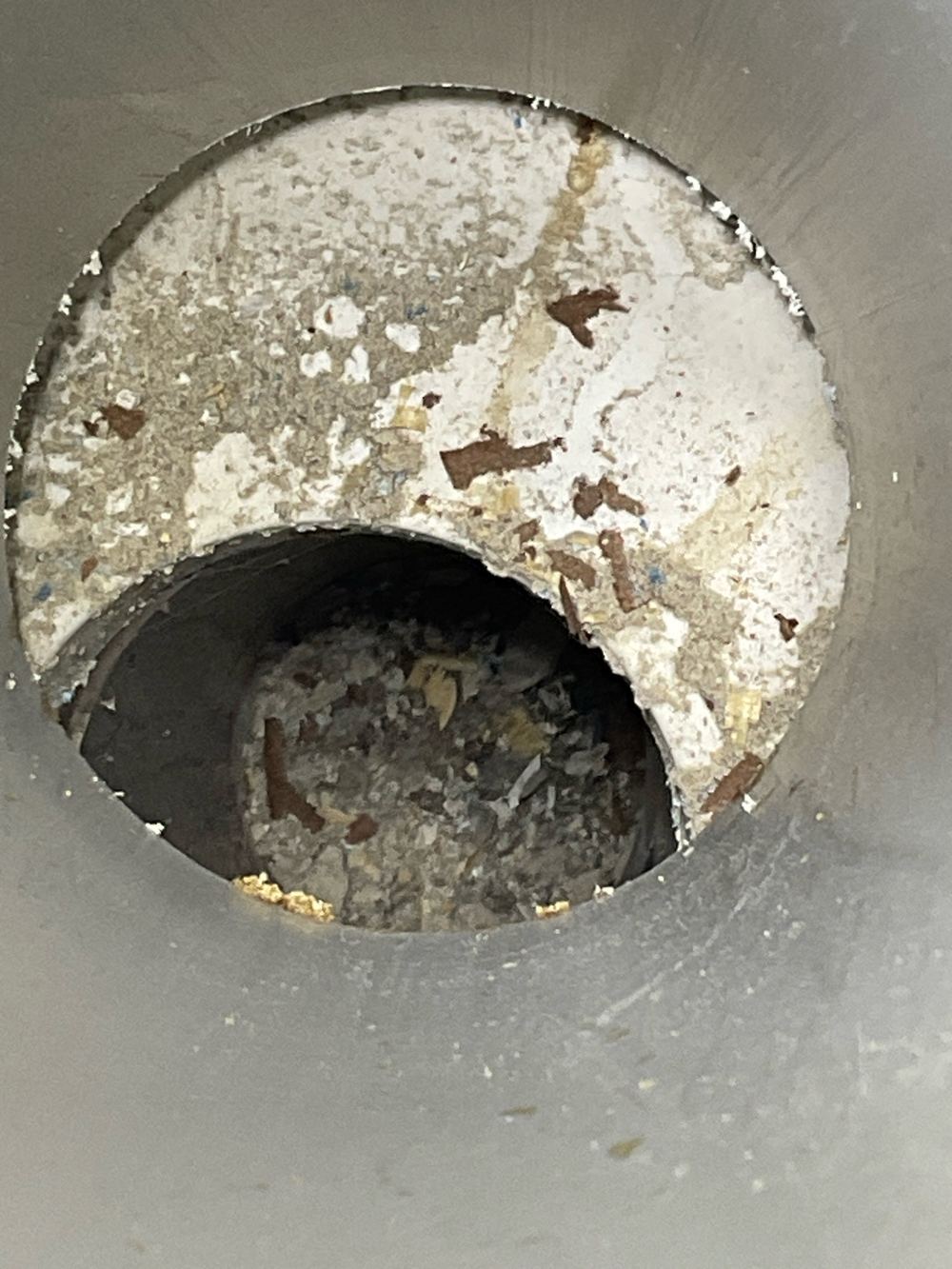
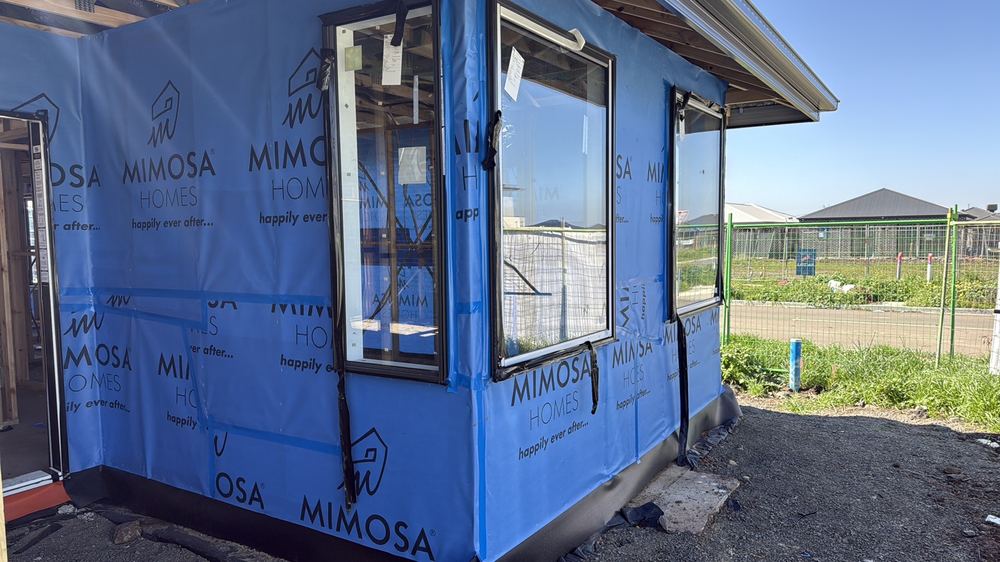
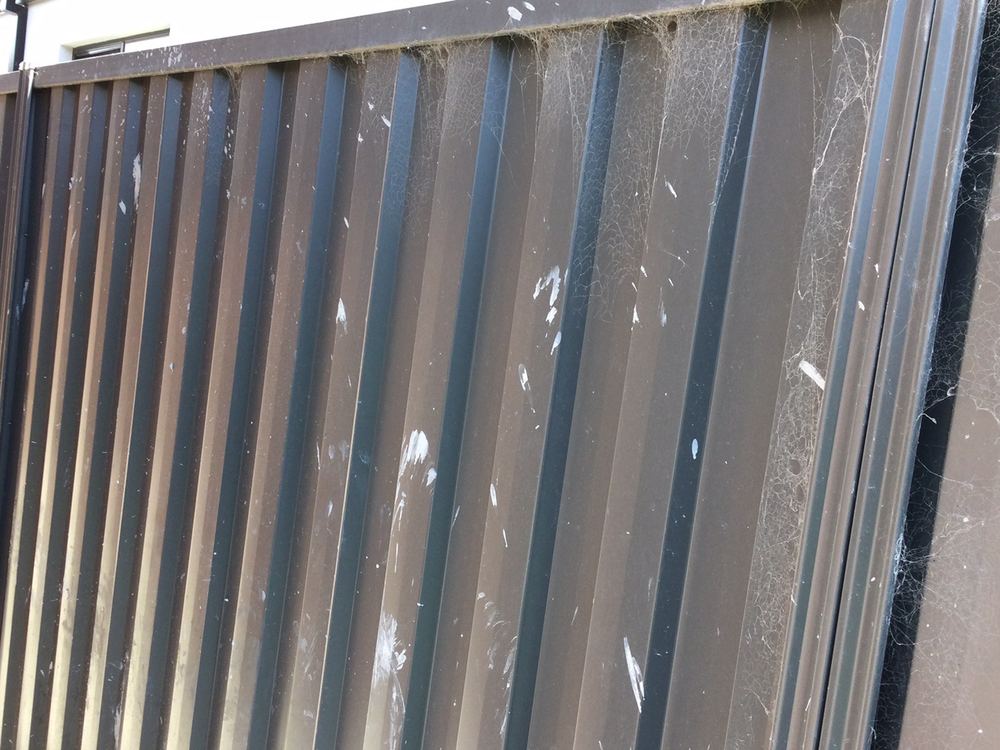
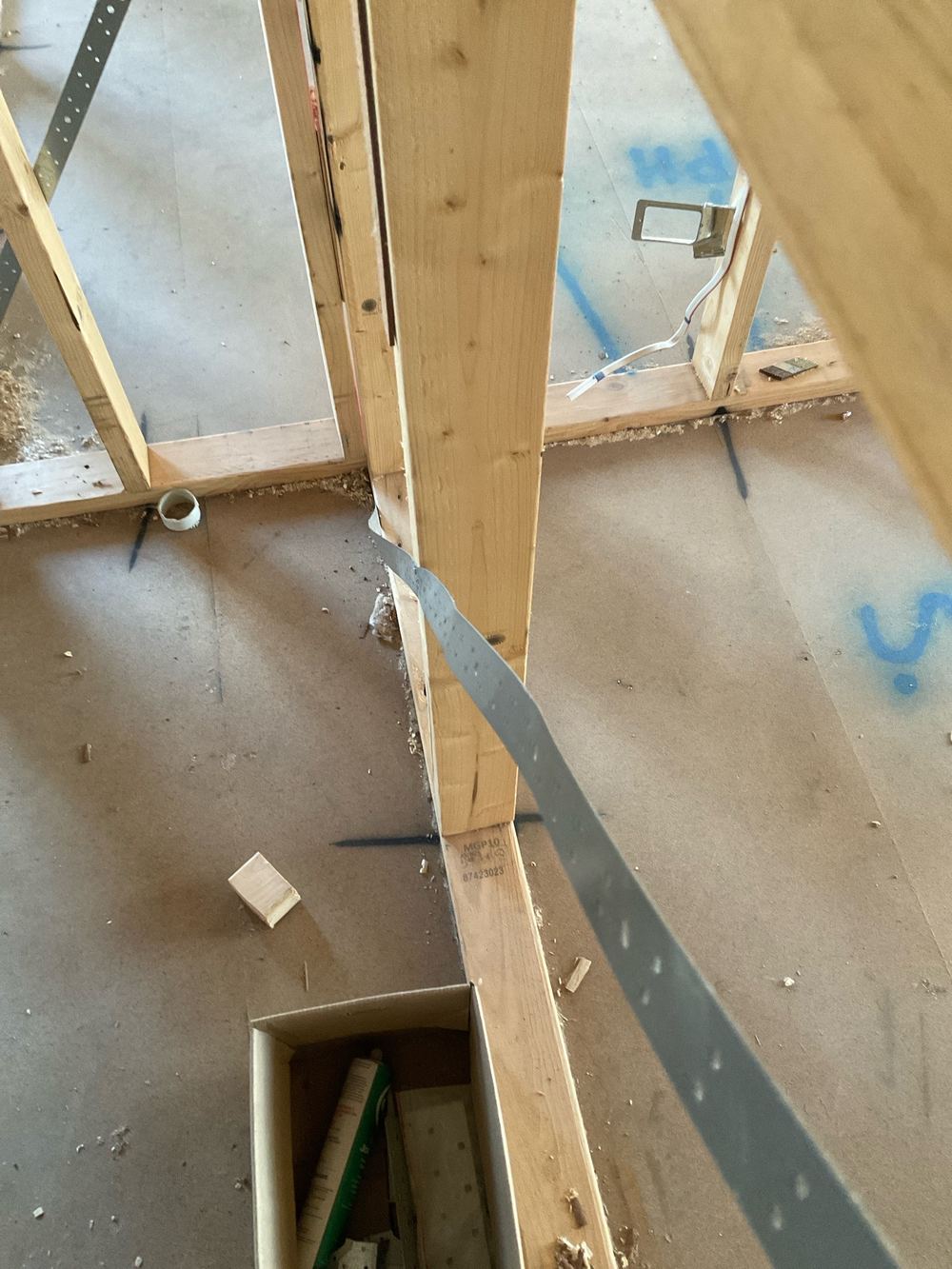
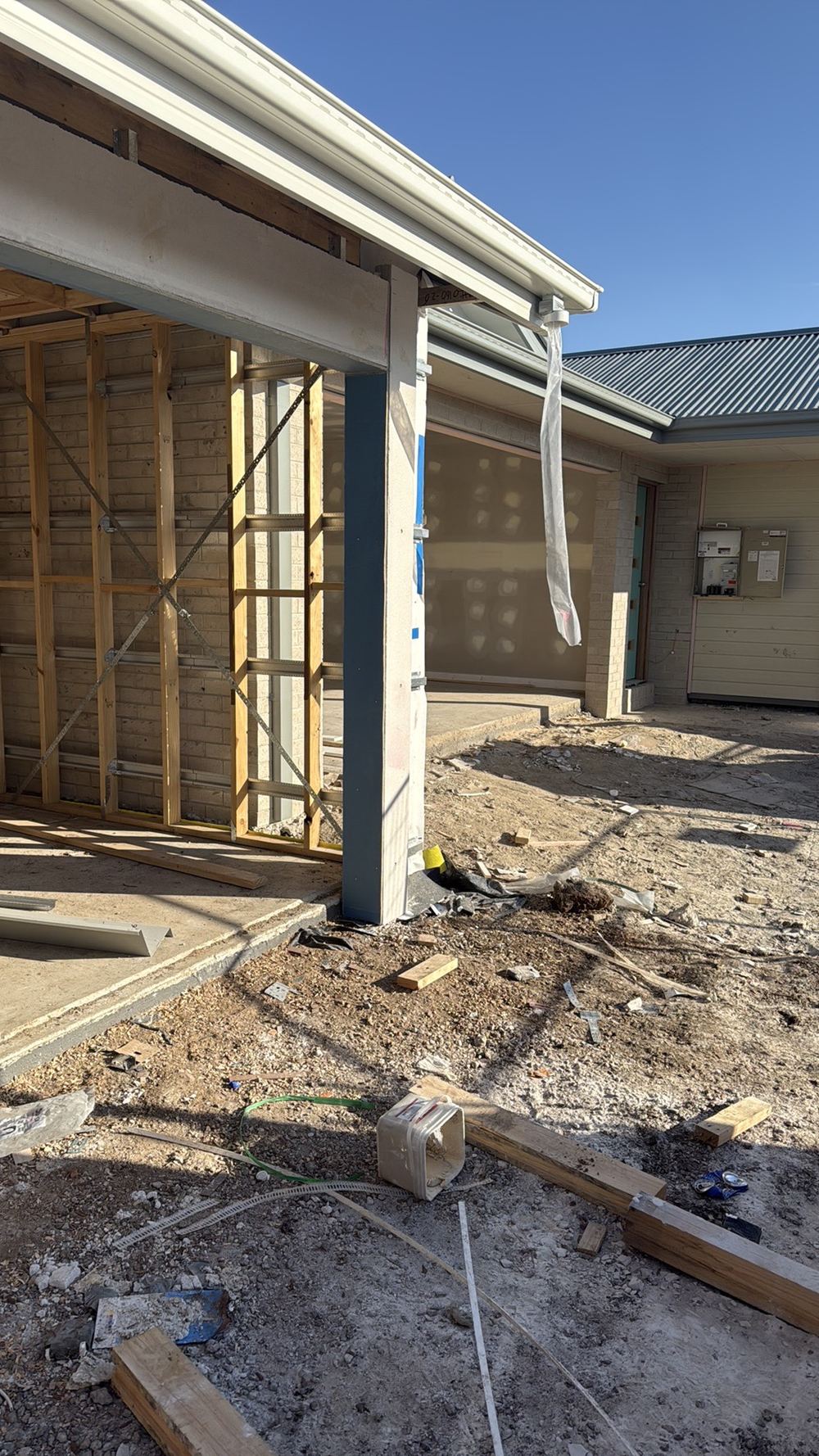
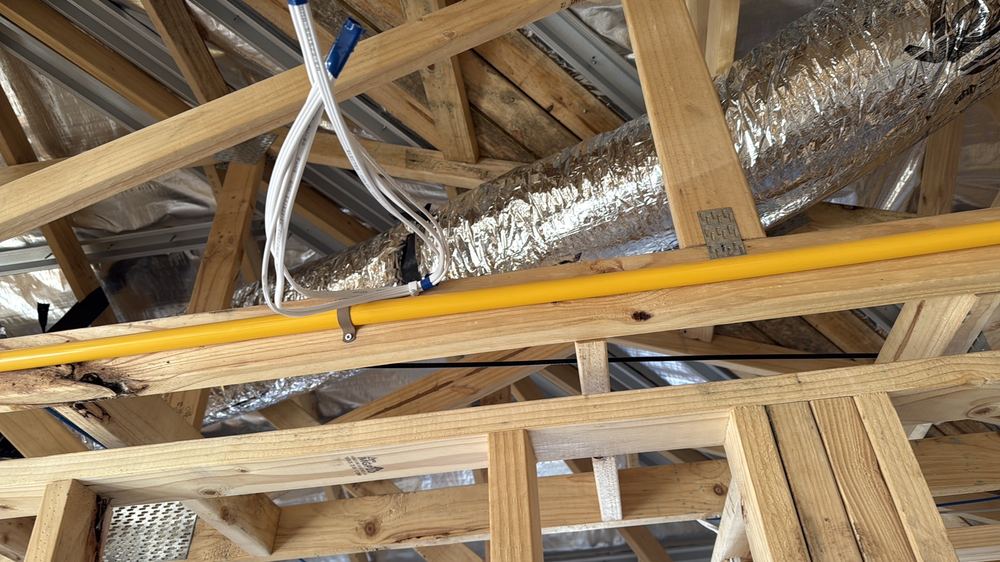
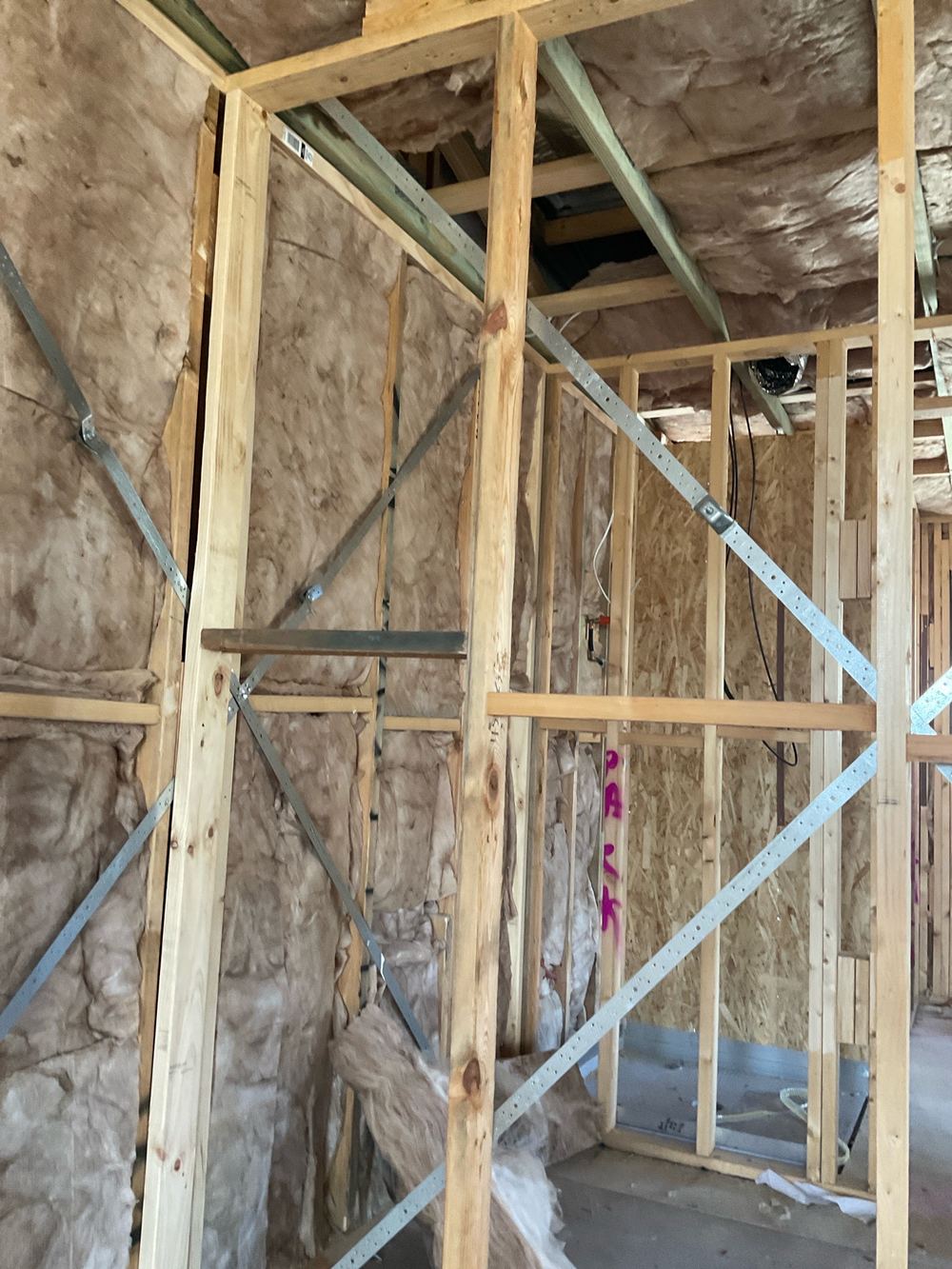
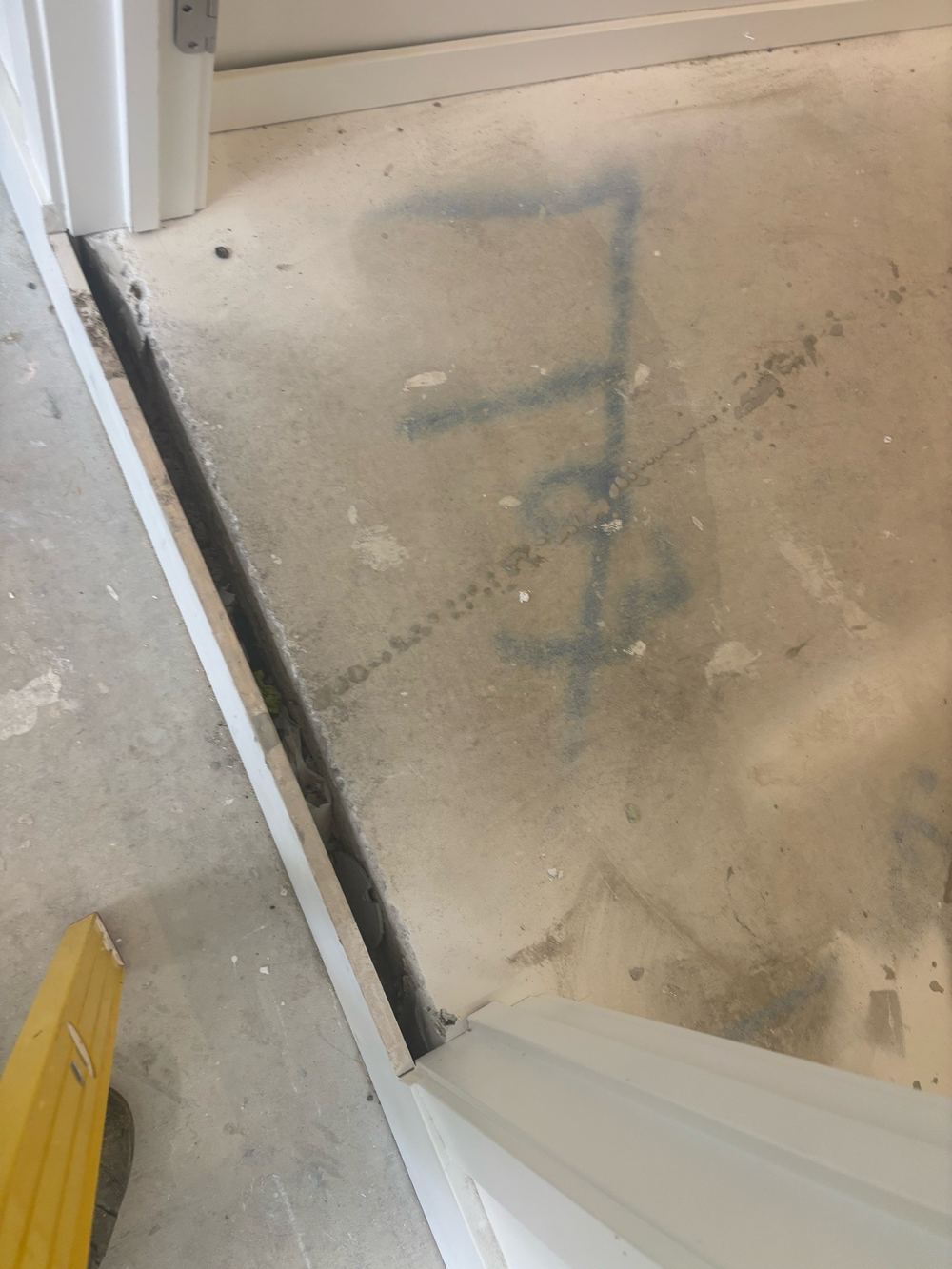
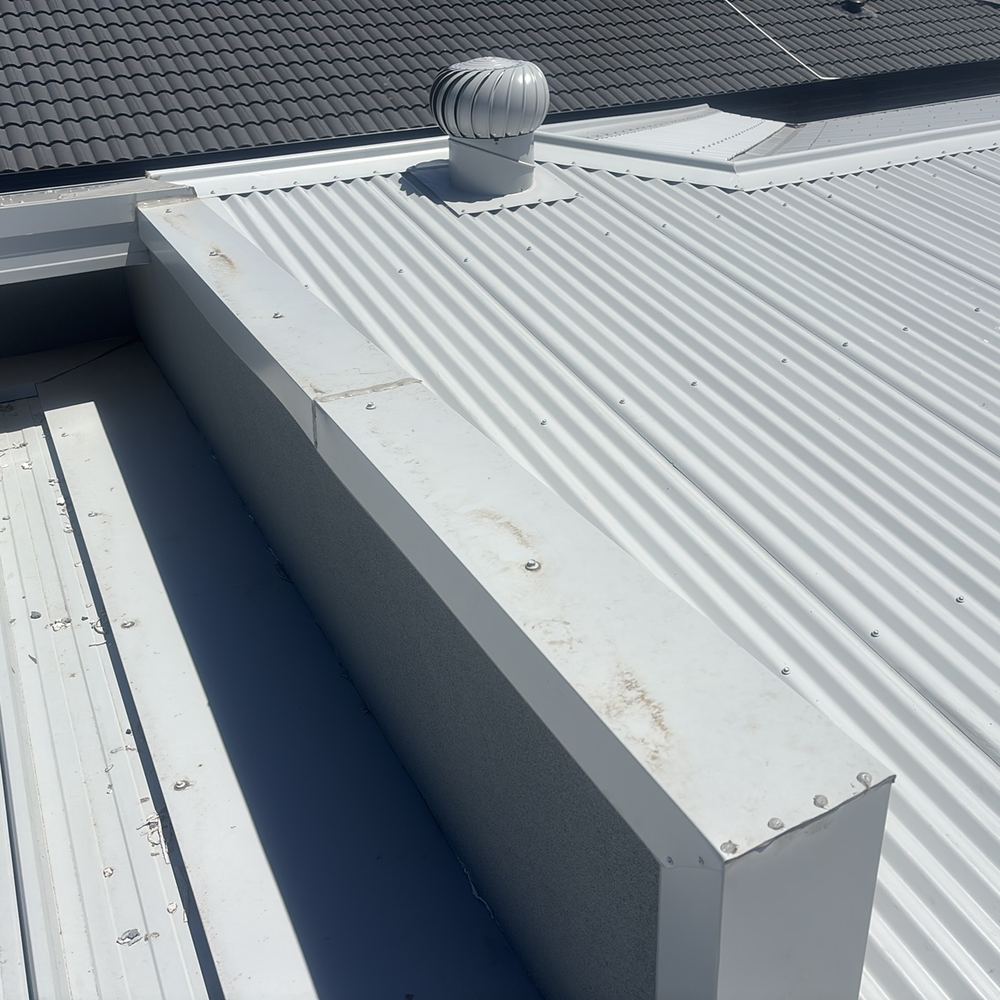
Annotated findings from Lock-up (pre-plaster) inspections on Wollert builds. Client addresses withheld.
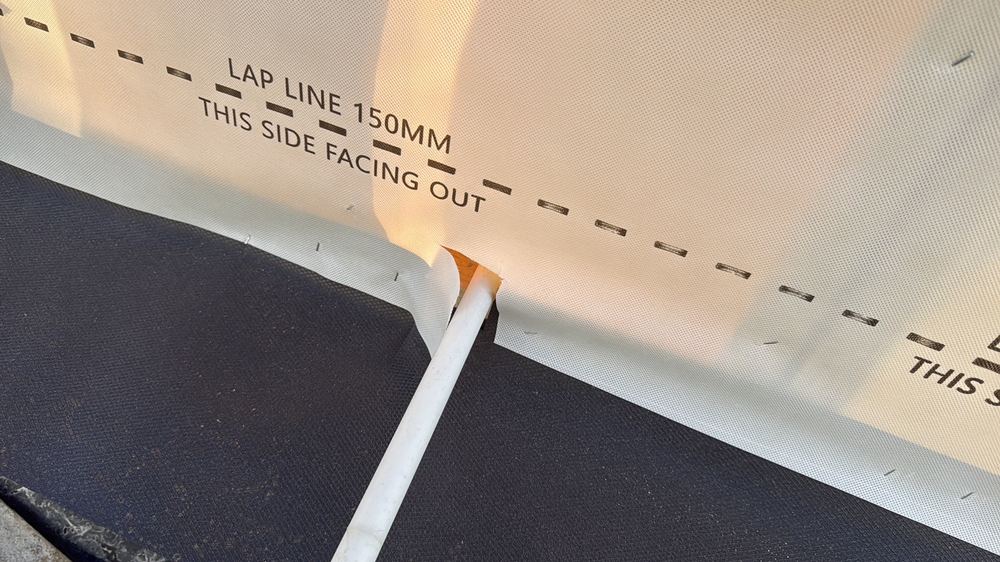
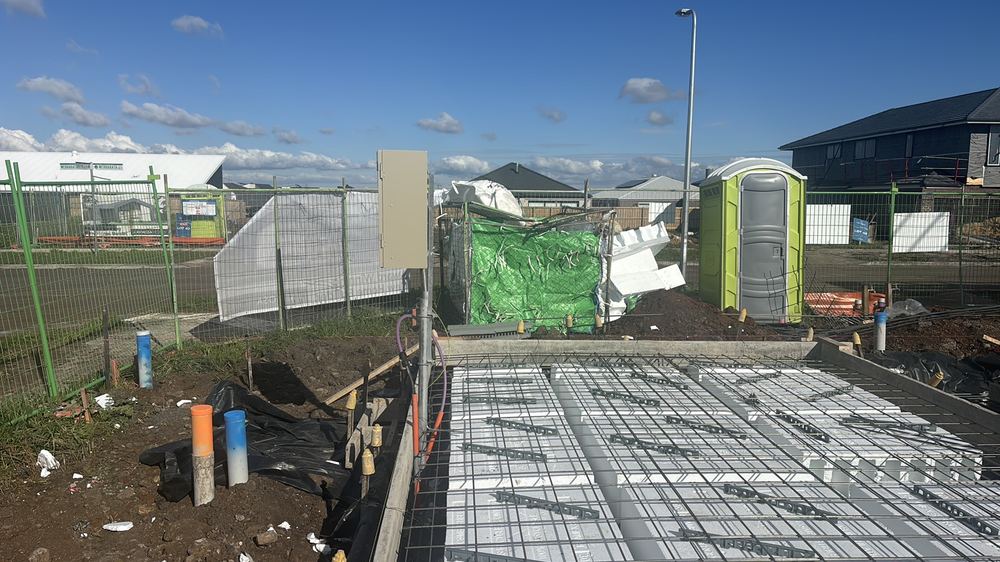 1Bored piersOnce the holes are bored and the cages are in, before any concrete goes near them
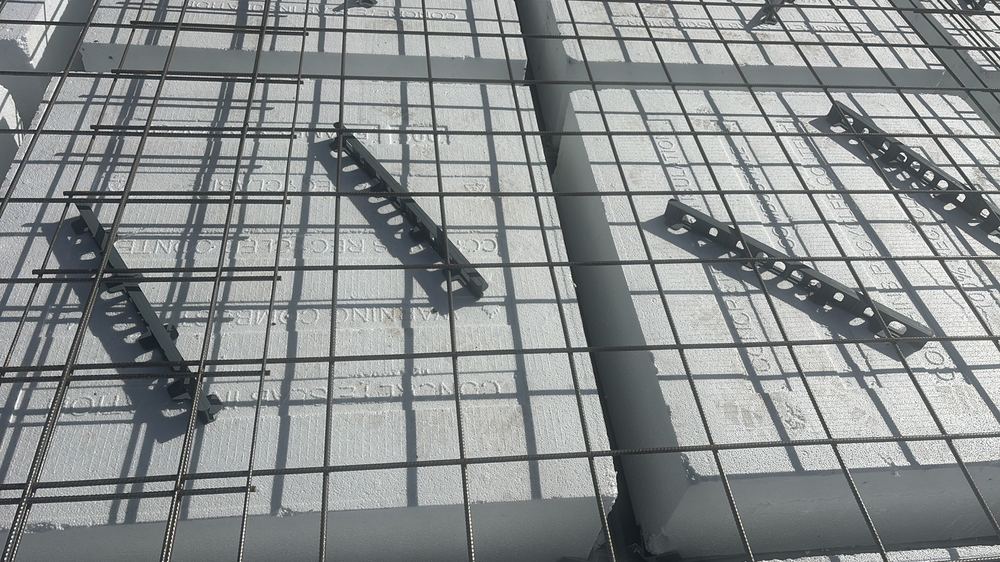 2Slab pre-pourThe day before the pour, while the steel and pods are still exposed
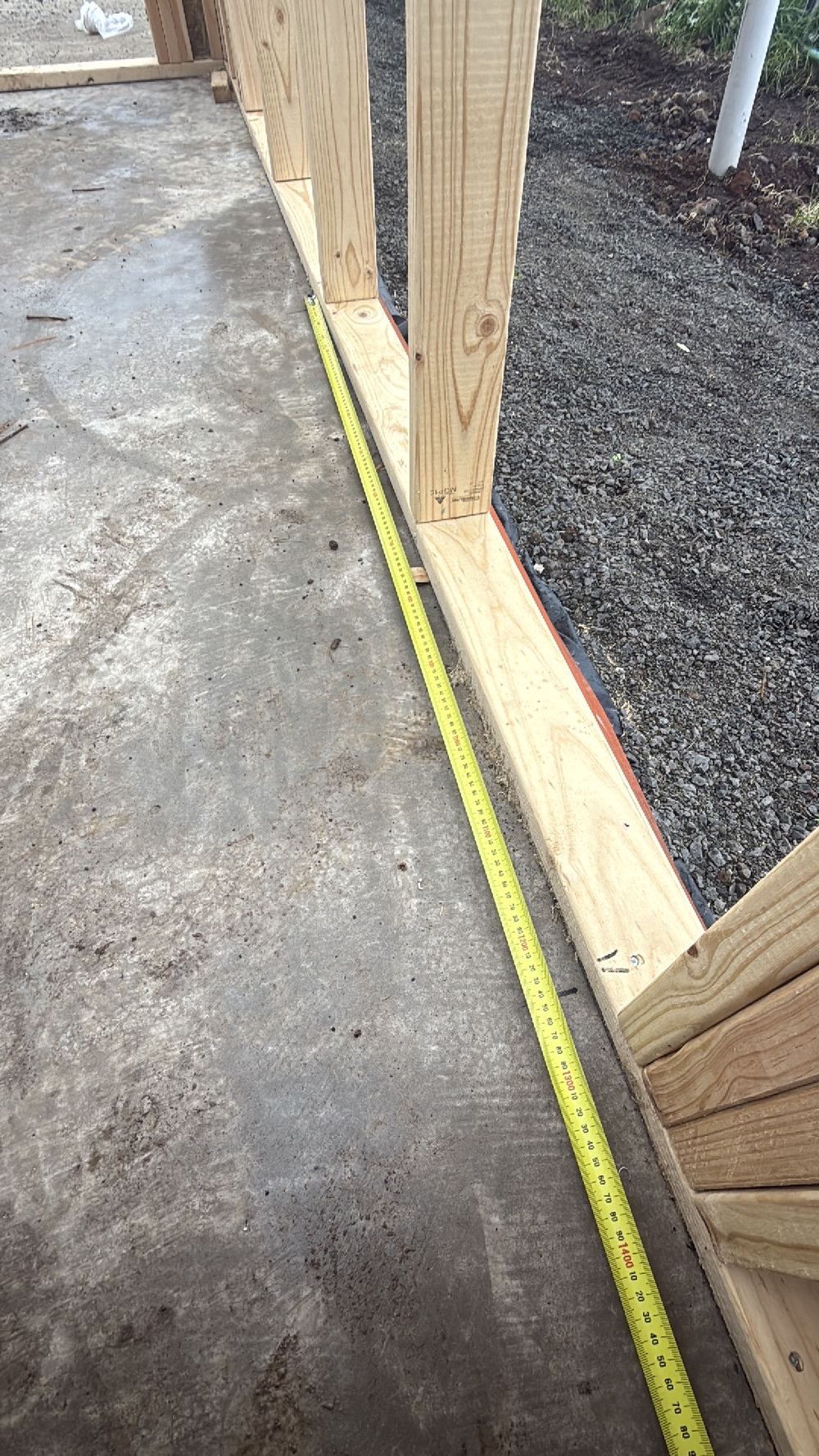 3FrameOnce the trusses are up, before wrap, sarking or cladding hides anything
 5FixingAfter plaster, doors and cabinetry, before the painter starts
 6WaterproofingAfter the waterproofer finishes and before a single tile is laid
 7Pre-handover (PCI)At practical completion, before you sign anything or hand over the final payment
How to time the pre-slab, frame, lock-up, waterproofing and fixing inspections on a new Wollert home so faults are found while work is open.
Wollert sits on Newer Volcanics basalt with heavy reactive clay above it. What that means for slab design and your pre-slab check.
What to do in Victoria when a builder blocks your private stage inspector, including contract access, written notice and the BPC dispute pathway.
Instant online pricing, or talk to the booking team on 1300 471 805.
Lock-up is the point where the house can be closed and locked: roof covered, external walls complete, windows and external doors installed. Internal linings have not started, so the building fabric is still visible.
Because plasterboard hides the cavity, the wall wrap, the flashings and the framing behind them. Once linings are up, a water entry problem usually shows up months later as a stain rather than a fixable detail.
AS 3700 covers masonry construction, with the NCC and ABCB Housing Provisions setting weatherproofing requirements. Tolerances for plumb, level and joint work come from the Guide to Standards and Tolerances 2015.
We inspect the roof from safe accessible positions, which usually means from a ladder at the edge and from within the roof space where there is safe access. We do not walk roofs where it is unsafe to do so.
Yes, visually. We look at the slab edge exposure, the perimeter and the penetrations to see whether the system installed is still intact and visible for inspection. We do not carry out treatment.
We still inspect, and we say plainly in the report what could no longer be seen. It is worth booking early rather than losing access to the flashings and wall cavity entirely.