Termite risk for homeowners in Wollert, Victoria
How termite risk works in Wollert, what conditions around a house attract them, and what an AS 4349.3 timber pest inspection can and cannot tell you.




In short: Termite risk is driven by conditions around your house more than by your postcode. What raises it, what lowers it, and what an inspection actually establishes.
Risk is a property question, not a suburb question
Termite pressure varies enormously between houses in the same street. What matters is moisture, timber in ground contact, concealed entry paths and food sources near the structure. A well drained house with clear inspection zones on one side of a court can be low risk while the one opposite, with a garden bed over the slab edge, is not.
The conditions that raise risk around a house
Garden beds and mulch built up against the slab edge, timber sleepers and retaining walls in contact with soil, stored firewood or offcuts under a deck, leaking taps and air conditioning condensate discharging beside the wall, dense plantings against the brickwork, and old stumps left in the yard after the estate was cleared.
What a timber pest inspection covers
A timber pest inspection is carried out to AS 4349.3. It is a visual inspection of the accessible areas of the building and the site within thirty metres, looking for evidence of termites, borers and fungal decay. It is an inspect and report exercise. It never certifies that a property is free of termites, because concealed timber cannot be seen.
Where activity is usually found
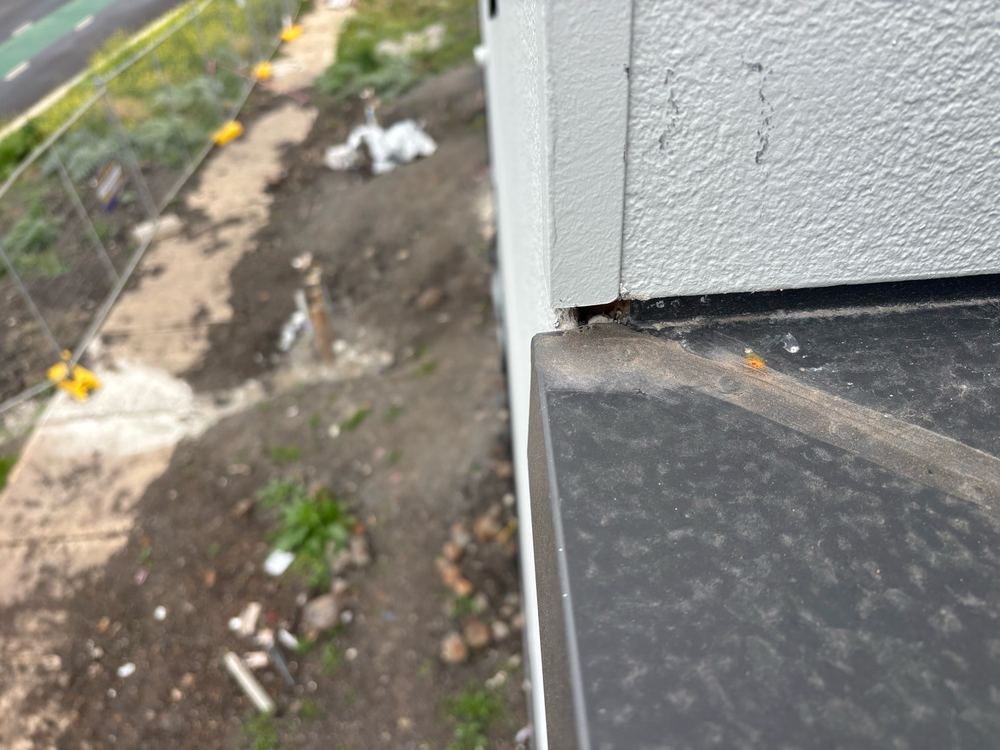
Subfloors where they exist, roof voids, the perimeter at the slab edge, garage door frames, external timber steps and decking, fence posts adjoining the house, and inside the wall cavity where a lead has been able to travel unseen. Around Wollert, sheds and later timber additions are frequently where the first evidence shows up rather than the original house.
What to do about it as an owner
Keep the slab edge exposed and inspectable, pull mulch and soil back from the brickwork, fix leaking taps and redirect condensate lines, keep stored timber off the ground and away from the house, and have the property inspected periodically rather than only when you buy. Regular inspection is the practical control that homeowners actually have.
Buying, and the limits of what you will be told
A pre-purchase timber pest report records what was visible on the day and lists everything that could not be accessed. Where a subfloor was too low, a wall was lined or a roof space was unsafe to enter, that is a limitation, not an all clear. Read the limitations section carefully before you rely on the summary.
Written by the Owner Inspections team from inspections carried out in Wollert. Licensed building practitioners, Building & Plumbing Commission registration CDB-U 53425.