Wollert soil: reactive basalt clay, AS 2870 and why slabs crack
Wollert sits on the Newer Volcanics basalt plains that run across Melbourne's north and west. The typical profile is heavy dark clay over basalt, sometimes with rock floaters near the surface, and groundwater in the upper basalt aquifer. That clay is reactive: it takes up water and swells through winter, then dries and shrinks through summer. A slab bridging soil that is moving unevenly beneath it is the single most common structural story in this suburb, and it is the reason the pre-pour inspection and the drainage details around the finished house matter so much.




What reactive clay actually does
Reactive clay changes volume with moisture. The movement is rarely uniform across a block, because one side of the house is shaded, another has a garden bed against it, and a downpipe discharges at one corner. Differential movement is what cracks brickwork and distorts door frames. Uniform movement usually does nothing you would notice.
How AS 2870 classifies the site
AS 2870 classifies sites from A through S, M, H1, H2, E and P according to how much the surface is expected to move. Basalt clay sites in Melbourne's north commonly fall in the H1 to H2 reactive range, and some come back as P where fill, rock or other conditions govern. The critical point for an owner: the classification belongs to your lot's own soil report, not to the suburb, and the slab must be designed to that report.
Why drainage decides the outcome
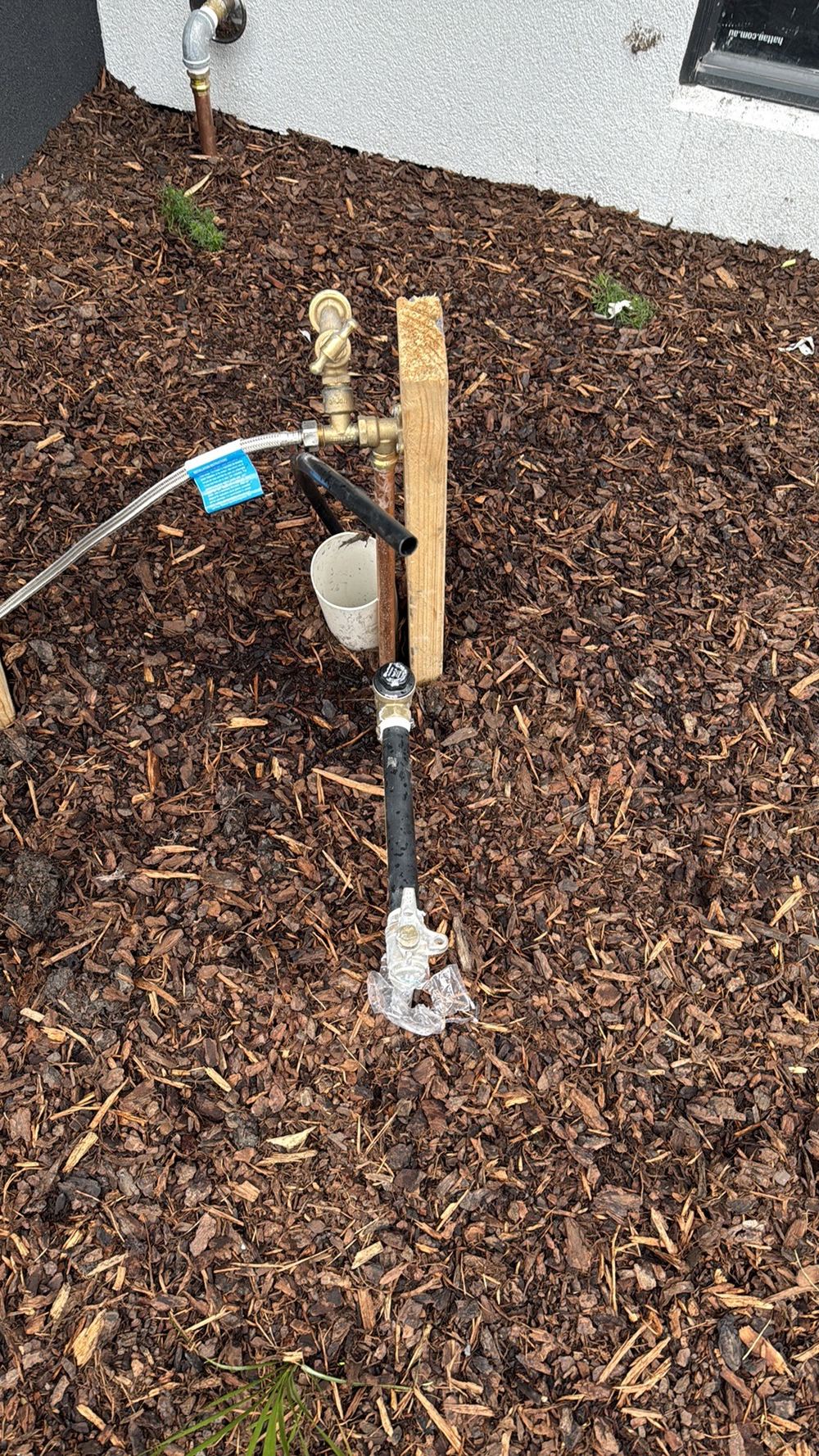
Once the house is built, the thing most within your control is water. Downpipes must be connected to the stormwater system rather than discharging beside the slab. Ground should fall away from the building. Garden beds and irrigation hard against the wall keep one strip of clay permanently wet while the rest dries. Most of the cracking we investigate has a drainage cause somewhere behind it.
What is normal cracking and what is not
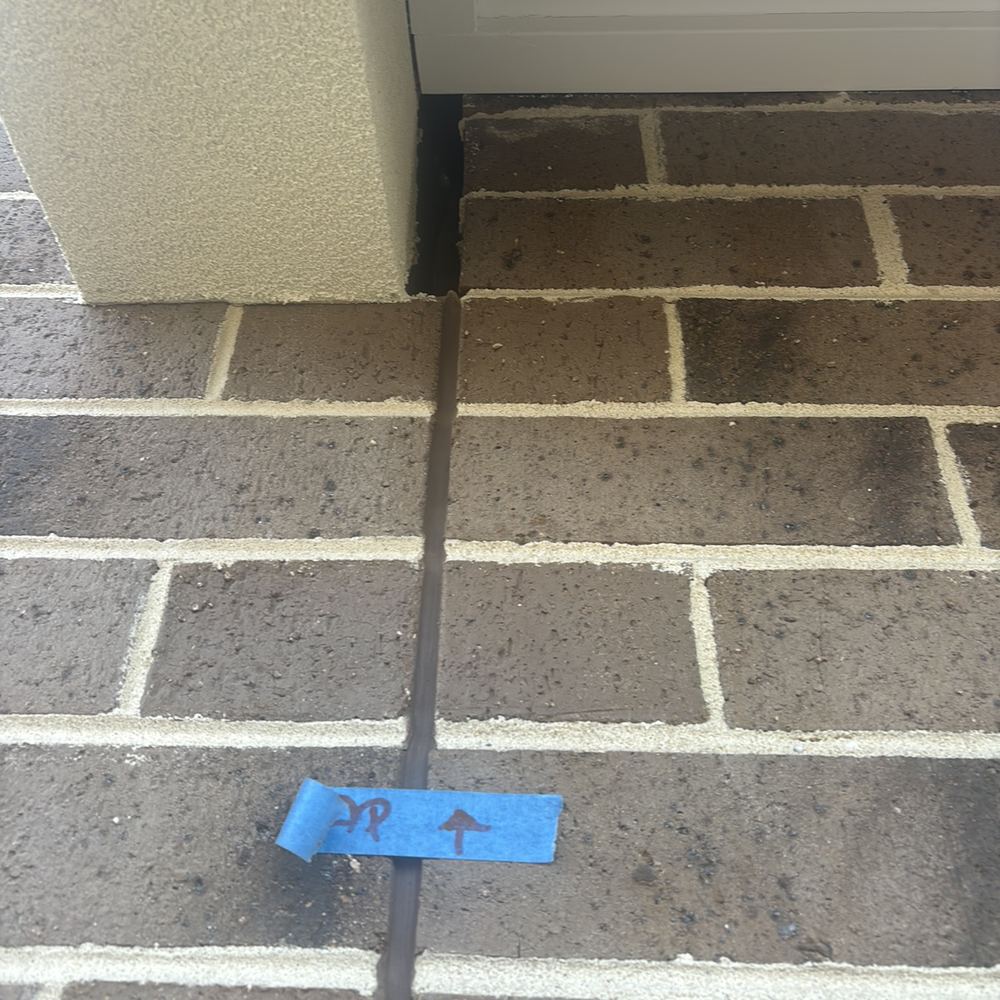
Fine hairline cracking in mortar and plaster is common in the first years as a house settles and the clay cycles. Width is the first thing to look at, and the Guide to Standards and Tolerances 2015 sets out the categories. Cracks that are widening, that step through brickwork, that appear at the slab edge, or that come with doors binding and floors out of level are a different conversation and warrant investigation.
What we check on the ground before the pour
At the pre-pour stage we check the slab against the engineering: beam widths and depths, mesh and bar chair spacing, concrete cover, the vapour barrier and whether its penetrations are sealed, set-downs to wet areas, and whether debris has been left in the pods. On reactive clay these are not paperwork items. They are what decides how the slab copes with twenty years of the ground moving under it.
More about Wollert
- Building a new home in Wollert: stages, ground and what goes wrong
- Buying a house in Wollert: prices, stock and what to check
- Wollert growth: the precinct structure plan, dwellings and infrastructure
- Building permits, the City of Whittlesea and the dispute path in Wollert
- Termite risk in Wollert: timber frames, management systems and what to check
- The defects we record most often on Wollert inspections
- Wollert site conditions: wind classification, climate zone and planning overlays
Written by the Owner Inspections team from inspections carried out in Wollert. Licensed building practitioners, Building & Plumbing Commission registration CDB-U 53425.