The defects we record most often on Wollert inspections
We have inspected in Wollert since the estates first opened, across slab, frame, lock-up, fixing, waterproofing and handover. The value of that record is not any single job, it is the pattern. The same items recur, they cluster at particular stages, and almost none of them are unusual or difficult to fix when they are found on the day. What follows is what our reports actually record here, stage by stage, rather than a general list of things that can go wrong with a house.




At the slab, before the pour
Debris and offcuts left in the waffle pods, bar chairs missing or spaced too widely so the mesh is not held at its design height, insufficient concrete cover, vapour barrier punctures left unsealed, service penetrations not sleeved or taped, and set-downs to wet areas not formed. Every one of these is permanent the moment concrete goes in.
At frame
Bracing cut or not tensioned, tie-down and bottom plate fixings short of the spacing the engineer nominated, lintels and beams not matching the drawings, and the frame overhanging the slab edge by more than the allowance. The frame stage is the last time the structure is fully visible, so what is missed here stays missed.
At lock-up
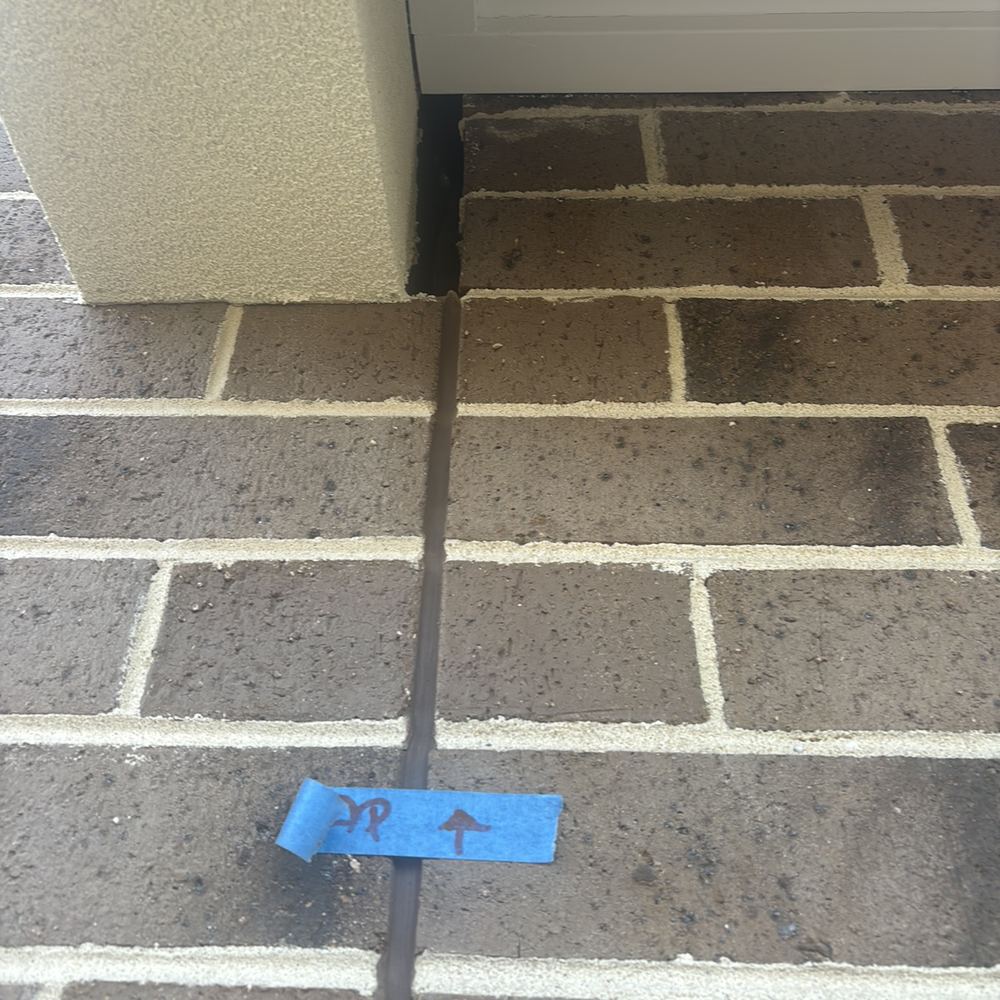
Broken or poorly seated roof tiles and damaged tile underlaps, sarking that does not lap into the gutter, roof penetrations without proper flashing, unsealed gaps around windows and doors, mortar and weep hole problems in the brickwork, and breached termite protection. This is the stage that decides whether the house stays dry.
At waterproofing and fixing
Membranes applied without primer, damaged membrane before tiling, shower screeds that do not fall cleanly to the waste, bath hob junctions not waterproofed the full width, and membranes left unprotected while other trades work. Wet area failures are among the most expensive defects to rectify after handover, because the tiling comes off with them.
At handover
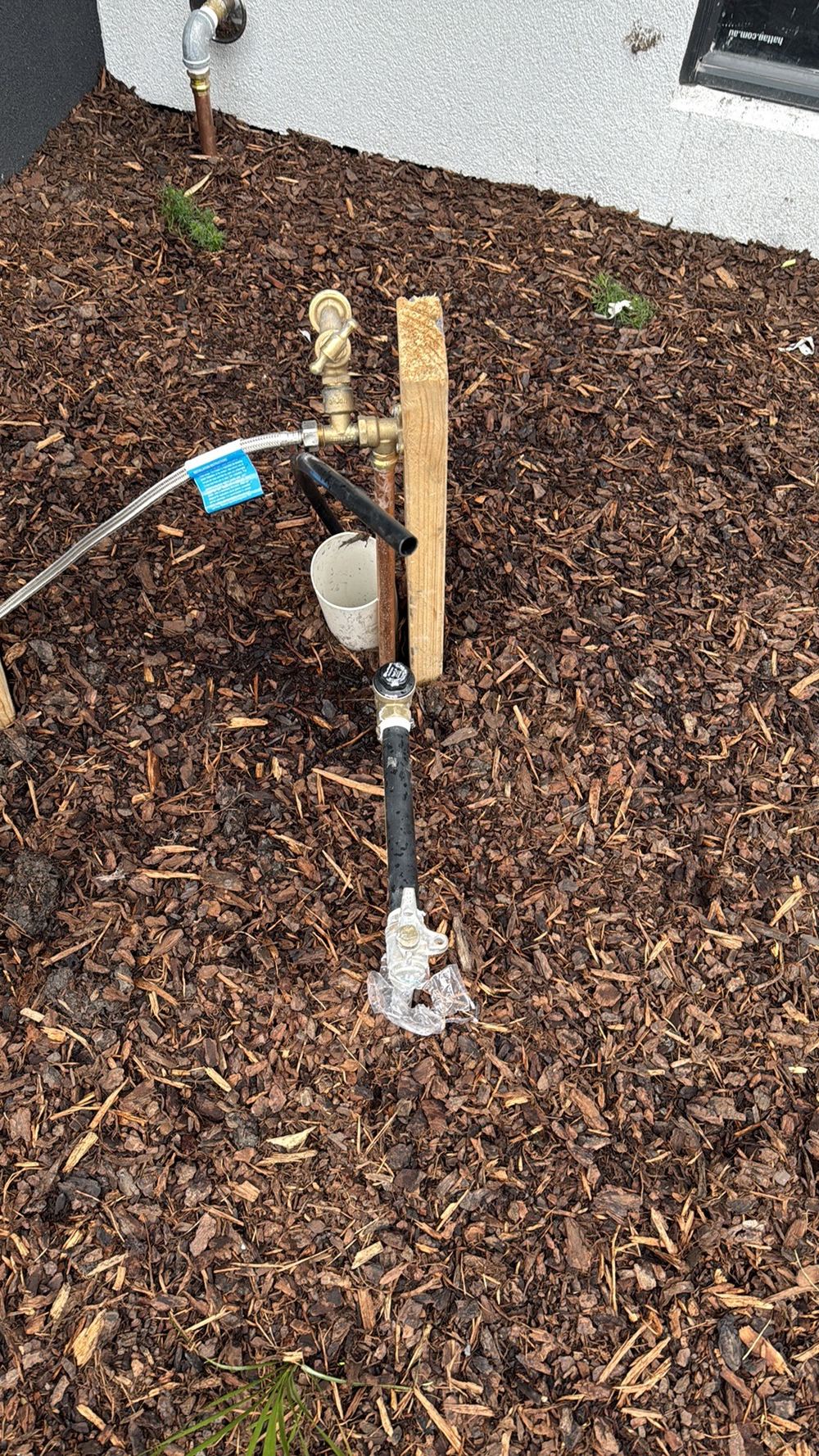
The handover list is usually long and mostly cosmetic, which is normal. What we look for underneath it are the items that are not cosmetic: exhaust fans venting into the roof space instead of outside, gutters full of construction debris, unsealed gaps to external walls, missing window opening restrictors upstairs, and drainage that has been left discharging at the slab edge.
More about Wollert
- Building a new home in Wollert: stages, ground and what goes wrong
- Buying a house in Wollert: prices, stock and what to check
- Wollert growth: the precinct structure plan, dwellings and infrastructure
- Building permits, the City of Whittlesea and the dispute path in Wollert
- Wollert soil: reactive basalt clay, AS 2870 and why slabs crack
- Termite risk in Wollert: timber frames, management systems and what to check
- Wollert site conditions: wind classification, climate zone and planning overlays
Written by the Owner Inspections team from inspections carried out in Wollert. Licensed building practitioners, Building & Plumbing Commission registration CDB-U 53425.